
Imagine walking into a clinic where the staff knows your pet's name and understands that they are a cherished member of your family, not just another appointment on the calendar. Finding that perfect fit can feel overwhelming, especially when you're worried about hidden costs or whether the doctor will truly listen to your concerns. It's vital to have the right questions to ask a new veterinarian before you even step foot in the exam room.
You deserve a medical partner who prioritizes your pet's emotional well-being alongside their physical health. It's natural to feel a bit of anxiety about clinical jargon or how a clinic handles emergencies during business hours. We believe that the relationship between you and your vet should be a sacred bond built on trust and neighborly empathy.
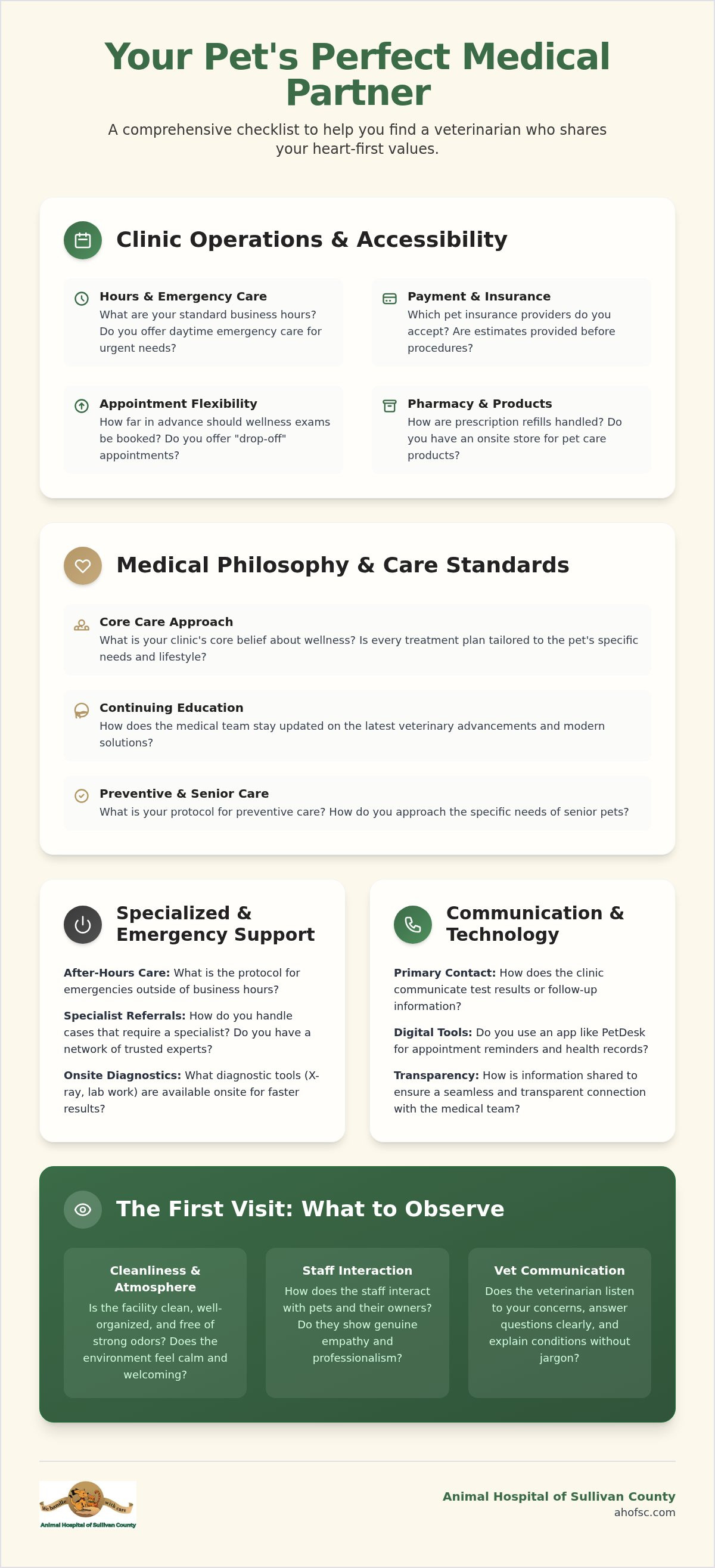
This guide provides a comprehensive checklist to help you find a medical expert who shares your heart-first values. You'll learn how to uncover a clinic's true care philosophy and understand their specific protocols for everything from preventive care to onsite diagnostics. By the end of this article, you'll have the confidence to build a lifelong bond with a team that treats your pet like their own family.
Key Takeaways
- Learn how to evaluate clinic accessibility and daytime emergency protocols to ensure your pet always has a reliable place to turn for urgent care.
- Discover the right questions to ask a new veterinarian to verify that their medical philosophy and "heart-first" approach align with your family's values.
- Gain clarity on how a potential clinic handles specialized support and after-hours recommendations so you are prepared for any unexpected health journey.
- Identify the communication tools and technology, such as PetDesk, that help maintain a seamless and transparent connection with your medical expert.
- Know exactly what to look for during your first tour to confirm the staff provides the professional authority and neighborly empathy your pet deserves.
The Logistics: Questions About Clinic Operations and Accessibility
A clinic that has served the Ferndale area since 1953 understands that community roots matter. As you Learn more about veterinarians and their essential role in animal health, you'll find that accessibility is a cornerstone of a healthy partnership. Ask about their standard business hours and how they manage their appointment calendar. Does the clinic offer daytime emergency care for urgent pet health needs? Knowing that your vet can handle an immediate crisis during business hours provides immense peace of mind. It ensures your pet receives care from a team that already knows their medical history and personality.
Don't forget to inquire about the smaller details that impact your routine. Ask how they handle prescription refills and pet store product pickups. A clinic that offers onsite pet store products and streamlined pharmacy services saves you extra trips and keeps your pet's care centralized. When you're building your list of questions to ask a new veterinarian, these logistical details help you determine if the clinic's workflow matches your family's needs.
Understanding Appointment Availability
Life is busy, and your vet's schedule should offer some flexibility. Ask how far in advance you need to book a pet wellness exam in Sullivan County to ensure your pet stays on track with their preventive care. Some clinics offer "drop-off" appointments. These are a lifesaver for busy parents who need to leave their pet in capable hands for the morning and pick them up after work. Always check the clinic's policy on late arrivals or cancellations. A clear policy shows they respect everyone's time and maintain an organized environment for all their patients.
Payment and Insurance Transparency
Financial worries shouldn't stand in the way of compassionate care. Ask the front desk if they accept major pet insurance providers and how they assist with the claims process. Transparency is a sign of respect for the client. You should feel comfortable asking if estimates are provided before any surgical or diagnostic procedures. This practice prevents surprises and allows you to make informed decisions for your cherished family member. Inquire about the specific payment methods accepted at the front desk to ensure a smooth checkout experience after your visit.
Medical Philosophy: Questions About Preventive and Surgical Care
A veterinarian's medical philosophy dictates every recommendation they make, from the vaccines they suggest to the way they handle a complex surgery. When you are compiling questions to ask a new veterinarian, start with their core beliefs about wellness. You want a partner who treats your animal as a cherished household member, not just a patient on a chart. This perspective ensures that every treatment plan is tailored to your pet's specific needs and your family's lifestyle.
Defining Preventive Care Standards
Preventive care is the foundation of a long, happy pet life. It is the practice of protecting your pet from avoidable illnesses and catching chronic conditions early. For those sharing their lives with an aging companion, it's helpful to ask about the vet's protocol for senior pet care in Sullivan County. Older pets have unique requirements that demand a gentle, specialized touch. Additionally, inquire about heartworm and tick prevention specific to the Catskills region. Our local environment has specific seasonal challenges that require a proactive defense plan.
Surgical and Diagnostic Capabilities
The thought of a pet undergoing surgery is often the biggest source of anxiety for owners. To alleviate this fear, ask if the clinic has a dedicated veterinary surgeon in Sullivan County for soft tissue procedures. You should also feel empowered to ask about the technology used for monitoring pets under anesthesia. A high standard of care includes constant vigilance over your pet's vital signs. Pain management is another critical area; ask how they ensure your pet remains comfortable throughout their recovery. Finally, check if diagnostic tests like bloodwork or X-rays are performed onsite. In-house diagnostics mean you get results faster, which is vital during medical emergencies. If you're looking for a clinic that combines technical skill with a gentle bedside manner, you might want to reach out to a local expert to discuss your pet's needs.
Emergency and Specialized Support: Planning for the Unexpected
Anxiety about a sudden medical crisis is one of the heaviest weights on a pet owner's heart. You need a medical partner who is prepared for the unexpected and can act as a steady, calming guide when things go wrong. Among the most critical questions to ask a new veterinarian is how they manage urgent cases that happen during regular business hours. While routine wellness is the heartbeat of care, emergencies require a team that can shift gears instantly with professional authority and neighborly empathy.
It is also vital to plan for the moments when the clinic is closed. Since not every practice provides 24/7 care, ask your vet which local emergency hospitals they recommend for after-hours support. A reliable primary doctor will have established relationships with these facilities to ensure your pet's medical records are shared seamlessly. This collaborative approach ensures your pet is never without a guardian, even in the middle of the night! Knowing there is a plan in place provides the peace of mind every family deserves.
Daytime Urgent Care Protocols
When a crisis hits at noon, you shouldn't have to wonder if your vet can see you. Ask how the staff triages sick pets that arrive without a scheduled appointment. You want to know that life-threatening situations are prioritized immediately. When you are gathering your questions to ask a new veterinarian, these crisis protocols are essential. Inquire if the vet can perform emergency diagnostics like pet ultrasound in Sullivan County. Understanding how the team communicates during a medical crisis helps you stay focused on your pet while the experts handle the technical details.
Compassionate End-of-Life Services
Many guides overlook the final chapter of a pet's journey, but we believe it is a sacred part of our commitment to your family. It is deeply helpful to ask about the clinic's approach to pet end of life care in Sullivan County. You deserve to know that your pet will be treated with dignity and comfort when the time comes. This phase of care requires a delicate balance of medical expertise and profound compassion.
Don't be afraid to ask about specialized services like end-of-life counseling or an onsite crematorium. Having these resources available within the same facility ensures a dignified, steady process. It spares you the stress of coordinating with third parties during a time of profound grief. A truly "heart-first" clinic will provide support for the entire family, treating your pet as a cherished household member until the very end. It's about honoring the long-term bond you've shared with the respect and sincerity it deserves!
Communication and Technology: Staying Connected with Your Vet
Modern veterinary medicine relies on more than just stethoscopes and vaccines. It thrives on clear, open dialogue between you and your care team. When you're finalizing your questions to ask a new veterinarian, consider how they use technology to keep you informed. You want a clinic that balances professional authority with neighborly empathy. This ensures you never feel like a number in a database. Instead, you should feel like a partner in your pet's wellness journey.
Ask about the clinic's preferred method for non-emergency communication. Do they prefer phone calls, or is there a dedicated email address for general questions? You should also ask if you'll see the same veterinarian at every visit. Continuity of care is vital for building a sacred bond between the doctor, the pet, and the owner. Seeing a familiar face reduces stress for your animal and ensures the medical expert has a deep, personal understanding of your pet's history. A vet who listens to your concerns is just as important as a vet who treats the physical symptoms!
The Role of Digital Health Tools
Technology should make your life easier and your pet's records more accessible. Inquire if the clinic uses a mobile app like PetDesk to help you manage reminders and medical history. These tools are incredibly helpful for viewing pet microchipping records or requesting appointments on the go. You should also ask if the clinic provides digital copies of medical records for travel or boarding needs. Having this information at your fingertips provides a permanent safety net for your best friend. Don't forget to check if they offer text or email notifications for upcoming vaccinations to keep your pet's protection current.
Building a Relationship with the Staff
The veterinarians aren't the only ones caring for your cherished household member. The experience level of the veterinary technicians and support staff is equally important. Ask about their training and how long they've been part of the clinic family. A stable, experienced team often indicates a healthy, compassionate work environment. You should also inquire how the clinic handles pets with 'vet anxiety' or fearful temperaments. A high-quality clinic uses gentle handling techniques to soothe a nervous animal. If you value a team that prioritizes both technical skill and emotional sensitivity, you can schedule a meet-and-greet with our team today to see our "heart-first" approach in action.
The First Visit: What to Observe and Ask During Your Tour
The first visit is the moment of truth. It's where the theoretical research and the list of questions to ask a new veterinarian finally meet the reality of the clinic's daily atmosphere. As you walk through the doors, take a deep breath and observe the environment. A high-quality clinic should feel like a sanctuary for both you and your pet. It shouldn't feel cold or clinical. Instead, it should project a sense of warmth and professional authority that immediately lowers your guard.
Pay close attention to how the staff interacts with the animals currently in the waiting area. Does the team lead with the same "heart-first" compassion they show the owners? You're looking for a medical partner who treats every pet as a cherished household member. Observe the exam rooms to ensure they are clean, calm, and equipped for thorough diagnostics. A well-prepared room suggests the clinic is ready for anything, from a routine wellness exam to a more complex medical consultation.
Convenience is another layer of care that shouldn't be overlooked. While you're there, check if the clinic offers a curated selection of pet store products. Having access to veterinarian-approved food, supplements, and dental care items during your visit saves you a trip elsewhere. It also ensures you're buying products that your medical expert actually trusts for your pet's specific health needs.
Evaluating the Clinic Environment
A thoughtful clinic layout can significantly reduce a pet's anxiety. Observe if there are separate waiting areas or specific exam rooms for cats and dogs. This separation is a sign of a clinic that understands animal behavior and prioritizes emotional well-being. Check for clear signage and a front desk experience that feels organized yet welcoming. If you're still feeling a bit unsure, don't hesitate to ask if you can have a brief tour of the facility. A transparent clinic has nothing to hide and will be proud to show you where your pet will receive their care.
Making the Final Decision
After you've finished your tour and asked your questions to ask a new veterinarian, it's time to trust your "gut feeling." How did the vet interact with your pet? Did they listen to your concerns without using overwhelming clinical jargon? Stability is also a powerful indicator of quality. Long-standing practices like the Animal Hospital of Sullivan County, which has served the Ferndale community since 1953, offer a proven history of reliability and dedication. When a clinic has deep roots, it means they're personally invested in the lives of the families they serve.
Ready to meet a team that treats your pet like family? Schedule your first visit with us today.
Start Your Journey Toward Lifelong Compassionate Care
Selecting a medical expert for your pet is about more than just finding a doctor; it's about choosing a partner who honors the sacred bond you share with your animal. You now have a comprehensive checklist of questions to ask a new veterinarian to ensure your pet receives the highest standard of medical and emotional support. From understanding emergency protocols to evaluating a clinic's technological tools, these insights help you move forward with absolute confidence. It's about finding that perfect blend of professional medical authority and neighborly empathy.
At the Animal Hospital of Sullivan County, we've been dedicated to serving local families since 1953. Our heart-first team provides a steady, calming presence through every stage of your pet's life, supported by the convenience of an onsite laboratory and a dignified onsite crematorium. We treat every animal as a cherished household member, ensuring they receive the protection and affection they deserve. We're ready to walk this journey of care alongside you!
Book Your Pet's First Compassionate Wellness Exam Today
Frequently Asked Questions
What should I bring to my first appointment with a new vet?
You should bring your pet's complete medical history, including previous vaccination records and a list of any current medications or supplements. Providing these documents helps your new medical partner understand your pet's unique journey from the very start. It's also helpful to bring a list of your pet's dietary habits and any recent behavioral changes you've noticed. Having this information ready ensures your first visit is thorough and focused on your pet's immediate needs rather than administrative catch-up.
How do I transfer my pet's medical records from my old veterinarian?
To transfer records, simply call your previous clinic and request that they email the digital files directly to your new provider's office. Most practices handle this transition seamlessly as a professional courtesy to ensure continuity of care. It's best to do this at least 48 hours before your scheduled appointment. This gives the medical team plenty of time to review the history and prepare for your visit with the sincere, heart-first attention your pet deserves.
Is it okay to ask for a tour of the animal hospital before booking?
Yes, requesting a tour is a wonderful way to assess the clinic's environment and culture before you commit to an appointment. A transparent and proud clinic will be happy to show you their exam rooms and diagnostic areas. Reviewing the facility is a natural part of your list of questions to ask a new veterinarian. It's a great way to confirm the space is clean, calm, and welcoming for your cherished family member before they ever step inside.
What happens if my pet has an emergency when the clinic is closed?
If a crisis happens after business hours, you should take your pet to the nearest 24/7 veterinary emergency hospital for immediate care. While our clinic provides emergency treatment during business hours, after-hours situations require a specialized facility equipped for overnight monitoring and intensive care. We recommend keeping the contact information for local emergency clinics on your refrigerator or saved in your phone. This ensures you can act quickly and decisively during a stressful medical event.
How often should my pet have a wellness exam as they get older?
Older pets should ideally visit the vet every six months to monitor for age-related health changes that can happen quite quickly. As animals enter their senior years, their medical needs become more complex, and early detection of chronic conditions is vital for a high quality of life. These twice-yearly visits allow your vet to adjust preventive care plans and pain management strategies. It's a proactive way to ensure your companion's golden years remain comfortable and full of happiness and dignity.
Can I ask my vet for a written prescription to use at an online pharmacy?
You certainly have the right to request a written prescription to be filled at the pharmacy of your choice. Most veterinarians are happy to provide this, though they'll first need to establish a valid relationship through a physical exam. While online pharmacies offer convenience, purchasing directly from your clinic ensures the medication is sourced correctly and stored at the right temperatures. This provides an extra layer of safety and protection for your cherished household member's health.
What are the signs that a veterinarian is a good fit for a fearful pet?
A good fit for a nervous pet is a veterinarian who uses low-stress handling and doesn't rush the examination process. Look for a doctor who takes the time to let your pet acclimate to the room and uses a gentle, steady voice. They should prioritize your pet's emotional well-being and avoid a cold or clinical atmosphere that might trigger anxiety. This compassionate approach is one of the most important things to look for when considering questions to ask a new veterinarian.
Should I ask about the vet's experience with my specific breed?
You should definitely ask about a vet's experience with your specific breed, as many animals have unique genetic predispositions. Certain breeds are more prone to specific heart conditions, joint issues, or respiratory challenges that require specialized knowledge to manage effectively. A vet who is familiar with these traits can offer more targeted preventive care and diagnostic recommendations. This specific expertise ensures your medical partner is looking out for the long-term health and happiness of your pet.


