
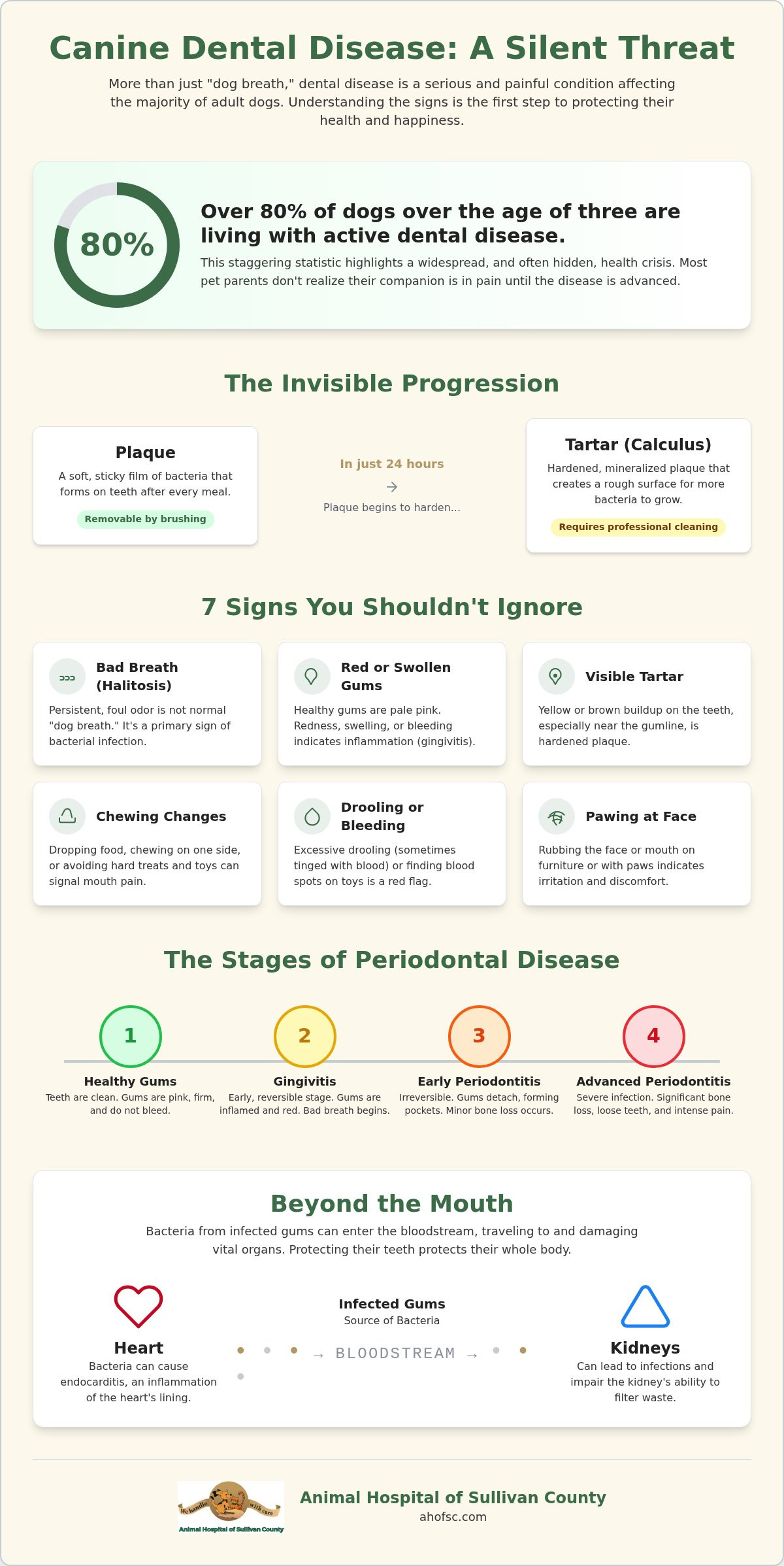
Did you know that over 80% of dogs over the age of three are currently living with active dental disease? It's a staggering statistic that catches many devoted pet parents by surprise! We understand the deep worry that comes with wondering if your loyal companion is hiding silent pain behind a wagging tail. You treat your dog as a cherished family member, so it's only natural to feel anxious about their long-term health or confused about how to manage their dental care at home. We believe the bond you share with your pet is sacred, and protecting their comfort is our highest calling.
In this guide, we'll help you identify the subtle signs of dental disease in dogs Sullivan County owners should watch for to ensure their pets stay vibrant and happy. We'll provide a clear checklist of symptoms and explain the vital link between oral hygiene and your dog's overall longevity. You'll gain the peace of mind that comes from understanding exactly how to protect your friend's health. We're here to walk this journey with you, offering professional expertise wrapped in the warmth of a neighborly smile.
Key Takeaways
- Understand that dental health is about much more than just fresh breath; it's a vital shield against painful infections and systemic health issues.
- Identify the subtle signs of dental disease in dogs Sullivan County owners might miss, from red, swollen gums to changes in how your pet enjoys their favorite treats.
- Discover the stages of periodontal disease and why catching inflammation early is the only way to prevent permanent bone and tooth loss.
- Learn how protecting your dog's teeth also safeguards their heart and kidneys from dangerous bacteria that can enter the bloodstream.
- Gain peace of mind by learning about our compassionate, "heart-first" approach to professional dental cleanings that prioritizes your pet's safety and comfort.
Canine Dental Disease: More Than Just 'Dog Breath'
Many owners think "dog breath" is just a natural part of being a pet parent. We often hear neighbors say their pup's breath is simply a trait of the breed or a result of their latest snack. The truth is that a lingering, foul odor is often a primary sign of dental disease in dogs Sullivan County families should never ignore. Periodontal disease is a serious infection of the tissues that surround and support your dog's teeth. It's not just a surface-level cosmetic issue; it's the most common medical condition we see in adult dogs today. By age three, most of our companions already show some degree of oral health struggle.
Dogs are incredibly stoic creatures. They have a deep, natural instinct to hide their pain, a trait passed down from their ancestors to avoid showing weakness to predators. This "silent pain" means your dog might have a throbbing toothache or severely inflamed gums while still wagging their tail and greeting you at the door. They'll often continue to eat even with significant discomfort. Understanding the field of Veterinary dentistry helps us realize that oral health is about daily comfort and quality of life, not just a bright smile.
Why Dental Health Matters for Sullivan County Pets
Keeping those pearly whites clean is a cornerstone of preventive wellness and a beautiful way to honor the bond you share with your pet. When we prioritize oral health, we aren't just cleaning teeth; we're extending the years you get to spend together. Studies show that regular professional dental care can significantly increase a pet's lifespan by preventing secondary infections. This is especially vital as our companions age. Our guide to senior pet care Sullivan County emphasizes that dental hygiene is one of the most important gifts you can give an aging dog to ensure their golden years stay happy and pain-free.
Plaque vs. Tartar: The Invisible Progression
The journey toward dental disease starts much faster than most people realize. Every time your dog eats, a sticky film of bacteria called plaque forms on the surface of their teeth. You have a very short window, often just 24 hours, before this soft plaque begins to harden into something more permanent. Once it mixes with minerals in the saliva, it transforms into tartar. Tartar is the mineralized version of plaque.
While you can see yellow or brown buildup on the visible parts of the tooth, the real danger lurks where you can't see it. Bacteria thrive in the dark, warm spaces deep under the gumline. This hidden infection slowly destroys the bone and ligaments that hold the teeth in place. Monitoring for the early signs of dental disease in dogs Sullivan County pets exhibit is the first step in stopping this progression before it causes lasting damage to your cherished family member.
7 Signs of Dental Disease in Dogs You Shouldn't Ignore
It's heartbreaking to realize that our pets often suffer in silence. Because dogs are wired to hide their discomfort, the signs of dental disease in dogs Sullivan County families should look for are often subtle at first. You might notice your dog's breath has a sharp, unpleasant odor that lingers even after they've finished their water. This persistent halitosis isn't just a nuisance; it's a signal that bacteria are actively colonizing the mouth. If you lift their lip, you may see gums that look angry, red, or swollen. According to the AVMA pet dental care guidelines, these early indicators are the best time to intervene before the infection spreads to deeper tissues.
You'll also want to keep a close eye on the physical appearance of their teeth. Visible brownish-yellow buildup, or tartar, is a clear indicator that professional intervention is needed. As this buildup grows, it can lead to more obvious distress. You might see your dog dropping food while eating or chewing exclusively on one side of their mouth. Some pets may even produce excessive drooling or leave small traces of blood on their favorite chew toys or bedding. If you're worried about what you're seeing, our team at the Animal Hospital of Sullivan County is always here to offer a gentle, expert evaluation of your friend's oral health.
Behavioral Warning Signs
Behavioral changes are often the most overlooked signs of dental disease in dogs Sullivan County owners encounter. Has your pup started pawing at their face or rubbing their muzzle against the furniture? They might be trying to soothe a dull, constant ache. You might also notice "head shyness," where a dog who once loved ear scratches now pulls away when you reach for their face. This isn't a change in their personality; it's a protective response to hidden pain. Many pets also lose interest in hard rubber toys or crunchy treats they used to love, opting for softer options that don't put pressure on tender teeth.
Advanced Physical Symptoms
When dental disease progresses, the symptoms become much more alarming and require immediate attention. You might find loose or even missing teeth on the floor or in their food bowl. In severe cases, bacteria can cause a tooth root abscess. This often presents as a distinct swelling just below the eye or along the jawline. This is a serious situation that requires swift care to prevent the infection from spreading into the bone. Some dogs even develop unexplained nasal discharge or chronic sneezing because the infection has broken through the thin barrier between the mouth and the sinuses.
The Progression of Canine Periodontal Disease Stages
Periodontal disease doesn't happen all at once. It's a progressive journey that often begins with a little bit of redness and, if left untreated, moves toward serious health complications. We believe that understanding these stages is the best way to protect your pet's happiness. When you recognize the early signs of dental disease in dogs Sullivan County pets show, you have the power to stop the infection before it becomes permanent. Veterinary experts categorize this progression into four distinct stages based on the health of the supporting structures around the teeth.
- Stage 1: Gingivitis. This is the only truly reversible stage! You'll see red, inflamed gums, but the bone and ligaments are still healthy.
- Stage 2: Early Periodontitis. Minor bone loss, typically up to 25%, has occurred. Deeper "pockets" begin to form between the tooth and the gumline, trapping more bacteria.
- Stage 3: Moderate Periodontitis. Bone loss reaches between 25% and 50%. At this stage, you might notice teeth starting to wiggle or shift.
- Stage 4: Advanced Periodontitis. This is a severe state where over 50% of the bone support is gone. The infection is deep, painful, and poses a significant systemic risk to your dog's organs.
Why You Can't See the Full Picture at Home
It's a surprising fact that about 60% of each tooth is completely hidden beneath the gumline. This means that even if your dog's teeth look white on the surface, a serious infection could be brewing where you can't see it. A "conscious exam" where we peek into your dog's mouth while they're awake is a great starting point, but it's only a partial view. To get the full story, we rely on pet diagnostics Sullivan County families trust, like digital dental X-rays. These images allow us to see the roots and the surrounding bone, which is the only way to perform a comprehensive oral health assessment and catch Stage 2 or 3 disease before it's too late.
The Reality of Oral Pain
Chronic infection is more than just a dirty mouth; it's a source of constant, throbbing discomfort. As bacteria thrive, they produce toxins that erode the ligaments holding each tooth in place. You might wonder why your dog is still eating their kibble if they're in so much pain. It's vital to remember that eating is a survival instinct, not a sign of comfort. A dog will often swallow their food whole or chew on one side just to get the nutrients they need to survive, even while dealing with the signs of dental disease in dogs Sullivan County pets frequently endure. We're here to help you look past that survival instinct to ensure your friend isn't just surviving, but thriving without pain.
Beyond the Mouth: How Dental Disease Affects the Heart and Kidneys
When we talk about the signs of dental disease in dogs Sullivan County owners see, we're looking at much more than just a localized issue in the mouth. Think of the inflamed gums we discussed earlier as an open door. When your dog chews or even just plays with a toy, bacteria can slip through tiny breaks in the gum tissue and enter the bloodstream. This process is called bacteremia. It's essentially a slow, constant leak of harmful bacteria into your pet's entire system. Once these invaders are in the blood, they don't just disappear; they travel to the most vital parts of your dog's body.
These bacteria have a dangerous affinity for heart valves. When they settle there, they can cause a serious condition called endocarditis, which is an inflammation of the heart's inner lining. Your dog's liver and kidneys also act as a natural filtration system. When bacteremia is present, these organs have to work much harder to filter out the constant stream of bacteria. Over time, this relentless strain can lead to organ damage or even failure. Prioritizing dental health is a powerful way to avoid the need for intensive pet illness treatment Sullivan County families might face if these systemic issues are allowed to progress.
The Systemic Connection
Chronic oral infection keeps your dog's immune system in a state of constant, exhausting high alert. This ongoing inflammation can complicate other health conditions in surprising ways. For instance, diabetic dogs often have a much harder time with insulin regulation when they're fighting dental disease. The infection causes blood sugar levels to fluctuate, making the disease difficult to manage. Senior dogs are particularly vulnerable to these secondary infections. As they age, their immune systems aren't quite as robust as they used to be, which makes it harder for them to fight off the bacteria circulating from their gums.
Prevention: The Best Medicine
We truly believe that staying ahead of these issues is the kindest thing you can do for your pet. The most effective way to catch the signs of dental disease in dogs Sullivan County pets exhibit is through annual pet wellness exams in Sullivan County. While brushing your dog's teeth at home is a beautiful way to support their health, it simply can't remove the hardened tartar that has already formed beneath the gumline. A professional cleaning is the only way to reach those hidden areas and stop the cycle of bacteremia. If you're concerned about your dog's health, our team at the Animal Hospital of Sullivan County is here to provide the expert, heart-first care your family deserves.
Compassionate Dental Care at Animal Hospital of Sullivan County
Deciding on a dental procedure for your furry family member can feel overwhelming. We understand that anxiety completely. At our Ferndale clinic, we take a "heart-first" approach to every cleaning and treatment we perform. This means we treat your dog with the same tenderness and precision we would give our own pets. Recognizing the signs of dental disease in dogs Sullivan County families often worry about is only the first step toward a healthier life. Once you're here, our team prioritizes safety and comfort above all else. We use modern, safe anesthesia protocols tailored to your dog's specific needs, ensuring they remain peaceful and pain-free throughout the entire process.
Our onsite diagnostics are a vital part of this care. Because we can't see what's happening beneath the surface with the naked eye, we use advanced imaging to detect hidden tooth root abscesses or bone loss. This allows us to address problems before they turn into major health crises. We don't just perform a service; we support you through the whole journey. From the moment you check in to the time your pup is waking up in recovery, we stay in close communication. We want you to feel confident that your cherished companion is in the most capable and caring hands in the county.
Your Partner in Pet Health Since 1953
Legacy matters when it comes to trust. Led by Dr. B, our hospital has been a steady, calming presence for the Sullivan County pet community since 1953. We've spent decades building relationships based on sincerity and medical excellence. To make your life easier, we've embraced modern tools like the PetDesk app. You can use it to schedule checkups or receive reminders about your dog's upcoming dental cleanings with just a few taps. After a professional cleaning, maintaining those results at home is much easier. We invite you to browse our pet store products for VOHC-approved dental chews that help keep plaque at bay between visits.
Take the First Step Toward a Healthier Smile
You don't have to wait for an appointment to start protecting your dog. We encourage all our neighbors to perform a simple "flip the lip" check at home once a week. Look for the redness or tartar we've described in this guide. If you spot any of the signs of dental disease in dogs Sullivan County owners should be wary of, don't wait for the pain to worsen. There is an incredible peace of mind that comes with knowing your dog has received a professional dental clearance. It's a gift of health and longevity that honors the sacred bond you share. Schedule your dog's dental exam at our Ferndale hospital today.
A Brighter, Healthier Future for Your Best Friend
Your dog's oral health is a vital gateway to their entire well-being. By staying vigilant for the signs of dental disease in dogs Sullivan County owners can prevent silent pain from impacting their pet's quality of life. We've seen how early detection and professional cleanings stop bacteria from reaching the heart or kidneys. Since 1953, our hospital has been a steady, calming presence for local families, treating the relationship between you and your animal as a sacred bond. You don't have to navigate these health decisions alone.
Led by Dr. Barbara Bodolosky, our team uses advanced onsite diagnostics and dental imaging to uncover hidden issues that a standard exam might miss. We prioritize your pet's safety and comfort with a heart-first approach that treats every patient like a cherished family member. Protecting your companion's longevity starts with a proactive step today. Let's work together to keep those tails wagging and those smiles healthy for many years to come! Please Schedule a Dental Exam at Animal Hospital of Sullivan County to give your loyal friend the expert care they deserve.
Frequently Asked Questions
Is bad breath in dogs always a sign of dental disease?
Yes, persistent bad breath is almost always a primary indicator that bacteria are thriving in your dog's mouth. While a temporary odor might follow a meal, a lingering foul smell signals that plaque and tartar are accumulating. This buildup leads to infection and inflammation of the gums. We recommend a professional evaluation if you notice a change in your pet's breath, as it is often the first warning your companion provides.
How often should I have my dog's teeth professionally cleaned in Sullivan County?
Most dogs benefit from a professional cleaning once every year to maintain optimal health. However, some individual pets or specific breeds may require more frequent visits every six months. Regular cleanings are the best way to address the signs of dental disease in dogs Sullivan County owners might miss at home. Our team will help you determine the ideal schedule based on your dog's unique oral health needs and lifestyle.
Why does my dog need anesthesia for a dental cleaning?
Anesthesia is essential because it allows us to perform a thorough and pain-free cleaning beneath the gumline where most disease hides. It ensures your dog remains perfectly still while we use ultrasonic scalers and take necessary digital X-rays. This approach is much safer and less stressful for your pet than attempting to scrape teeth while they are awake. We monitor every patient closely to ensure their comfort throughout the entire procedure.
Can I use human toothpaste to brush my dog's teeth?
No, you should never use human toothpaste for your dog because it often contains ingredients like xylitol or fluoride that are toxic to pets. Dogs cannot spit out the paste, so they end up swallowing these harmful chemicals. Instead, choose a pet-safe enzymatic toothpaste designed specifically for animals. These come in flavors like poultry or beef that your dog will actually enjoy, making the brushing experience a positive bonding time for both of you.
What are the best dental chews for dogs recommended by vets?
We recommend choosing dental chews that carry the Veterinary Oral Health Council (VOHC) seal of approval. These products have been scientifically tested to ensure they effectively reduce plaque and tartar buildup. You can find a variety of high-quality options in our pet store products at the clinic. While chews are a wonderful supplement to oral care, they work best when used alongside regular brushing and professional veterinary cleanings.
My dog is still eating fine; could they still have dental pain?
It is very common for dogs to continue eating even when they are in significant oral pain. Because eating is a fundamental survival instinct, most pets will find a way to swallow their food despite having infected gums or broken teeth. They may chew on one side or swallow kibble whole to avoid discomfort. This stoicism is why it's so important to look for other subtle behavioral changes rather than relying on their appetite alone.
What happens if I ignore the signs of dental disease in my dog?
Ignoring the signs of dental disease in dogs Sullivan County pets show can lead to irreversible damage and systemic health crises. What starts as simple redness can quickly progress to tooth loss and painful bone infections. Even more concerning is the risk of bacteria entering the bloodstream and causing permanent damage to the heart, liver, and kidneys. Taking action early is the kindest way to protect your dog's long-term health and happiness.
Is dental disease more common in certain breeds?
Yes, dental issues are particularly prevalent in small dog breeds and those with flat faces, known as brachycephalic breeds. Small dogs often have crowded teeth in tiny mouths, which creates more spaces for plaque to hide. Research indicates that owners of small breeds actually file 10% more dental claims than those with large dogs! If you have a smaller companion, being extra proactive with their dental care is a vital part of their overall wellness plan.


