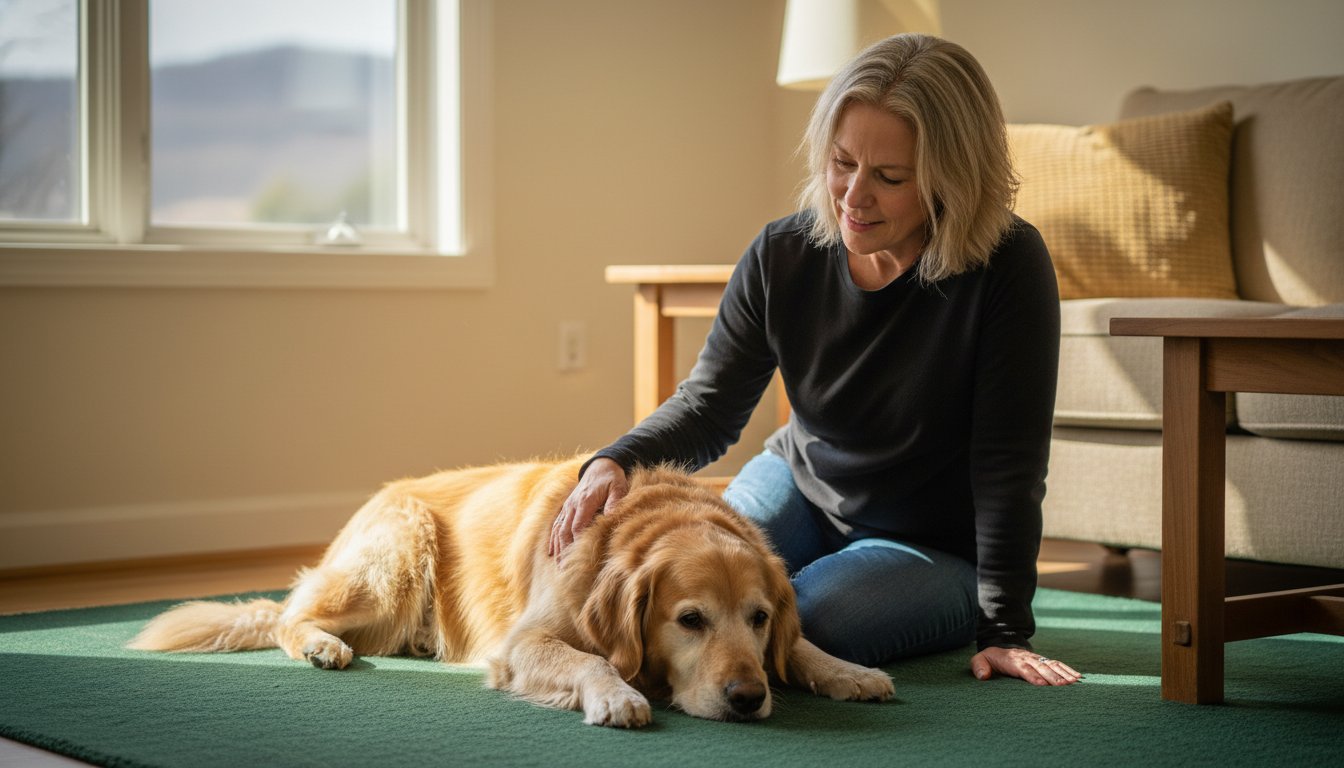
What if the "slowing down" you see in your senior dog isn't just an unavoidable part of getting older, but a treatable condition that could be addressed today? It is heartbreaking to watch a beloved companion struggle to climb the stairs or lose interest in their favorite toys. You might even feel anxious about the safety of different treatments, especially with New York's Buoy's Law highlighting the importance of understanding medication side effects. We believe that every animal deserves to live a life free from discomfort, and we are here to help you navigate those concerns with expertise and empathy.
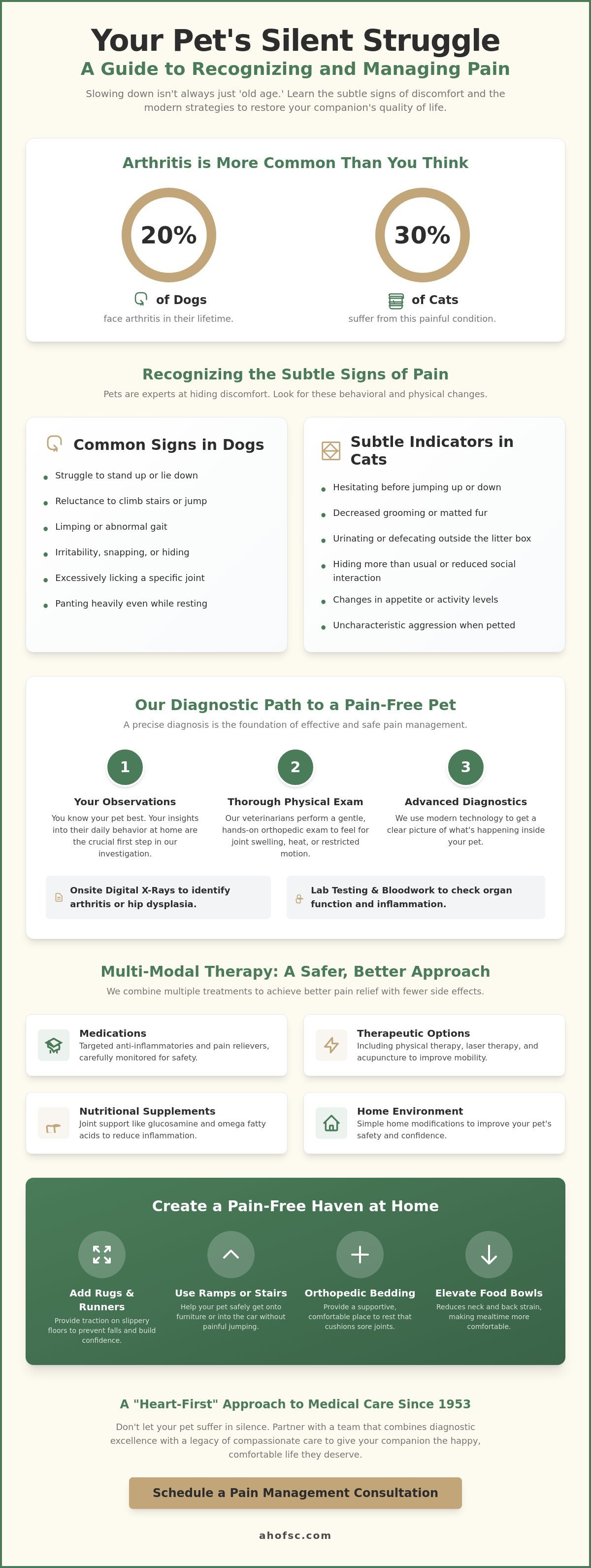
We agree that your pet’s comfort is the highest priority. With roughly 20 percent of dogs and 30 percent of cats facing arthritis, many owners share your worries. This guide will teach you how to recognize subtle signs of distress and help you find the best options for pet pain management Sullivan County residents can rely on for their furry friends. We will preview the latest diagnostic tools and medical care strategies designed to create a personalized, safe plan for your pet. Let's work together to ensure your companion enjoys a high quality of life, full of the joy and energy they deserve!
Key Takeaways
- Learn why pets instinctively hide discomfort and how to distinguish between temporary injuries and chronic conditions like arthritis.
- Discover how our advanced diagnostics and your personal observations at home combine to create a successful plan for pet pain management Sullivan County pets deserve.
- Understand the benefits of multi-modal therapy, which uses a combination of treatments to provide safer and more comprehensive relief for your companion.
- Find simple, practical ways to modify your home environment, such as adding rugs or runners, to help your arthritic pet move with more confidence.
- Explore our "heart-first" approach to medical care, rooted in a local legacy of compassion that has served our community since 1953.
Recognizing the Subtle Signs of Pet Pain
Your pet's ancestors lived in a world where showing weakness was dangerous. This survival mechanism remains deeply rooted in our modern dogs and cats. They often mask their discomfort until it becomes unbearable. Because they can't tell us where it hurts, we have to become experts in their silent language. Understanding the nuances of pet pain management Sullivan County families depend on starts with identifying these quiet cries for help. We treat your animals like cherished family members, and that starts with listening to what they aren't saying.
It is helpful to distinguish between different types of discomfort. Acute pain usually arrives suddenly after an injury or surgery. It's sharp and obvious. Chronic pain, like the kind caused by arthritis, is a slow, persistent ache. Many owners mistake this for their pet simply "slowing down" because of age. In reality, that reluctance to go for a walk or the way they stiffly stand up is often a sign of clinical discomfort. Seeking the pet pain management Sullivan County pets need early on ensures a better quality of life and prevents the pain from becoming a permanent shadow over their happiness.
Early intervention is always the kindest path. When we address pain at its onset, we can often use more conservative medical care strategies to manage it. This proactive approach protects your pet's emotional well-being alongside their physical health. It's about more than just movement; it's about preserving the joy and personality that makes your pet part of the family.
Common Signs of Pain in Dogs
Dogs are often expressive, but their signs can still be subtle. You might notice physical changes like a slight limp or a struggle to get off the floor after a nap. Some dogs might benefit from Canine physical therapy to regain their range of motion and strength. Watch for behavioral shifts too. A normally social dog might start hiding under the bed or become unusually irritable when touched. Physiological signs like heavy panting while resting, shivering, or obsessively licking a specific joint are also clear red flags that something is wrong.
Subtle Indicators of Pain in Cats
Cats are the true masters of disguise. Their pain often shows up as a change in their daily routines rather than a vocal complaint. If your cat stops grooming and develops matted fur, or starts over-grooming a specific area until it's bald, they might be hurting. Pay attention to how they jump. Hesitating before leaping onto a favorite perch is a major indicator of joint issues. Even litter box accidents can be a sign of pain; high-walled boxes can be very difficult and painful for an arthritic cat to step into.
Diagnostic Excellence: Finding the Source of Discomfort
You know your pet better than anyone else in the world. Your stories about how they move, play, and rest at home are the foundation of our clinical work. When you visit us, we start with a thorough physical and orthopedic examination. This is a "hands-on" process where we gently feel for joint heat, swelling, or a restricted range of motion. We listen to your concerns with neighborly empathy because we understand the bond you share. This partnership is the first step in the high-quality diagnostics we provide to every patient.
Guessing at the cause of a pet's pain is dangerous. Without clear answers, we might treat the symptoms while a deeper issue continues to grow. Knowing the exact source of discomfort allows us to create a targeted, effective plan. This is a core part of the pet pain management Sullivan County families have trusted for decades. By using precise data, we can build long-term wellness plans for senior pets that prioritize both safety and comfort. We don't want to just mask the pain; we want to understand it and address it at the root.
Onsite Digital Radiography and X-Rays
Modern digital imaging is one of our most powerful tools for helping your pet. We use onsite digital radiography to quickly identify issues like osteoarthritis, hip dysplasia, and bone spurs. These images are captured in seconds, which minimizes stress for your companion. Digital X-rays also allow us to monitor the progression of chronic conditions over time. By comparing images from year to year, we can adjust our medical care strategies before your pet's quality of life begins to decline.
Laboratory Testing and Bloodwork
Bloodwork is an essential piece of the diagnostic puzzle. It helps us detect underlying inflammation or systemic causes of pain that aren't visible to the naked eye. Before starting any long-term medication, we must ensure your pet's liver and kidneys are functioning perfectly. This step is vital for the safe pet pain management Sullivan County residents expect for their cherished animals. For our feline friends, a urinalysis can even reveal hidden discomfort that might otherwise look like a simple behavioral problem. Institutions like Cornell's pain management service highlight that this level of diagnostic detail is the only way to ensure treatments are both effective and safe for the long haul.
Modern Pain Management Strategies for Sullivan County Pets
Every pet experiences pain differently. A "one size fits all" approach rarely provides the relief our furry family members deserve. Instead, we embrace multi-modal pain management. This strategy uses a combination of different treatments that work together to target pain from multiple angles. By using smaller doses of several different medications and therapies, we often achieve better results with fewer side effects. This integrated method is the gold standard for pet pain management Sullivan County residents can rely on to keep their companions comfortable and happy.
Non-Steroidal Anti-Inflammatory Drugs, or NSAIDs, often play a central role in these plans. They are excellent for reducing the inflammation associated with arthritis and injuries. However, safety is our absolute priority. In line with New York’s Buoy's Law, we provide clear information about potential side effects the first time any medication is prescribed for home use. We want you to feel confident and informed about the medical care your pet receives. Regular monitoring and follow-up bloodwork ensure that these treatments remain safe for your pet's internal organs over the long term.
Weight management is another vital, though often overlooked, part of the puzzle. If a pet is carrying even a few extra pounds, it puts immense stress on their aching joints. Helping your pet reach a healthy weight is one of the kindest things you can do for their mobility. We can help you choose the right diet and exercise plan to reduce that physical burden. When we combine proper nutrition with medical intervention, the improvement in a pet's quality of life is often remarkable!
Pharmaceutical Interventions
Modern veterinary medicine has evolved far beyond basic pills. We now have access to advanced biologics and monoclonal antibody therapies specifically designed for feline and canine arthritis. These innovative treatments target the specific proteins that trigger pain. It is vital to remember that you should never give your pet human painkillers like ibuprofen or acetaminophen. These are highly toxic to animals. We also utilize neuropathic agents to help pets suffering from complex nerve-related discomfort, ensuring every type of pain is addressed.
Supplements and Nutraceuticals
High-quality supplements provide the building blocks for healthier joints. We often recommend veterinary-grade Glucosamine, Chondroitin, and Omega-3 fatty acids. These aren't the same as the options you might find at a typical grocery store; our pet store products are specifically formulated for maximum absorption in animals. Starting these supplements early can even serve as a preventive measure for high-risk breeds. By supporting the cartilage and reducing inflammation naturally, we can often delay the need for stronger medications as your pet ages.
Creating a Pain-Free Home Environment
Home should be a sanctuary where your pet feels safest. When a companion struggles with chronic discomfort, their familiar environment can suddenly feel like a series of obstacles. Small, thoughtful changes to your living space can provide immediate relief and restore their confidence. In Sullivan County, our long and cold winters can be especially taxing on achy joints. Keeping your pet's favorite resting spots warm and away from drafty doors is a simple act of love that makes a world of difference. A cozy, heated bed or a blanket tucked around them can soothe stiff muscles after a day in the chilly air.
Slippery surfaces like hardwood or tile are often the biggest challenge for a senior dog. These floors are like ice rinks for a pet with limited mobility, leading to frightening slips and potential injuries. Placing non-slip rugs or carpet runners along their frequent paths gives them the traction they need to navigate the house safely. Just as you protect your pet's mobility, remember that human foot health is equally vital; those in the NYC area can find specialized care at localfootdoc.com. We also encourage you to keep a daily comfort journal. By tracking their energy levels, their ability to rise after a nap, and their appetite, you provide us with invaluable data. This helps us fine-tune the pet pain management Sullivan County families rely on to keep their cherished companions thriving.
Accessibility and Mobility Aids
Ramps and pet-specific stairs are wonderful tools for pets who can no longer leap onto the sofa or into the car. These aids prevent the jarring impact that jumping has on sensitive joints. When choosing a bed, remember that support matters more than softness. High-density orthopedic foam helps distribute your pet's weight evenly and protects their pressure points. You might also consider raised food and water bowls. Elevating their dishes reduces the need to stoop, which can significantly decrease strain on their neck and upper back during mealtime.
Gentle Exercise and Mental Stimulation
Movement is essential for joint health, but it must be the right kind of movement. Low-impact activities like "sniffaris" allow your dog to explore the neighborhood at a very slow pace, prioritizing mental engagement over physical distance. If your pet's mobility is severely limited, use mental puzzles or treat-dispensing toys to keep them occupied and happy. It is vital to recognize the signs of over-exertion, such as heavy panting or a sudden refusal to walk further. If you are looking for high-quality items to support your pet's needs, browse our pet store products for supportive bedding and mobility solutions.
Compassionate Care at Animal Hospital of Sullivan County
We believe the relationship between a client and their animal is a sacred bond. Our "heart-first" philosophy means we treat your pet like a member of our own family. This dedication isn't new. Since 1953, we've served the local community with sincerity and skill. The legacy of Dr. B lives on in our commitment to providing the most compassionate pet pain management Sullivan County can offer. We don't just treat symptoms; we care for the whole animal and the people who love them. You're not just another appointment to us. You're our neighbor.
Every household has a different rhythm. Some pets are couch potatoes, while others still want to explore the backyard. We customize our pain plans to fit your pet's unique lifestyle and personality. Our full-spectrum care covers every milestone. We provide thorough wellness exams to catch issues early and specialized medical care when problems arise. We're also here for the most difficult times. Our onsite crematorium allows us to provide gentle, dignified end-of-life support right here in the place your pet knows and trusts. We're with you every step of the way.
Why Choose Our Ferndale Clinic?
Our clinic in Ferndale is more than just a medical facility. We work hard to maintain a welcoming, non-clinical atmosphere. This helps soothe the nerves of anxious pets and their owners alike. With onsite diagnostics, we provide faster answers so you don't have to wait days for results. Our team is trained to be technically proficient, but we also prioritize a gentle bedside manner. We listen to your stories and your observations because you're the expert on your pet's daily life. Your peace of mind is just as important as your pet's physical health.
Your Partner in Long-Term Wellness
Think of us as your dedicated partner in a long-term journey of care. We're here to guide you through the aging process with patience and kindness. You don't have to navigate these health challenges alone. Scheduling a pain assessment in Sullivan County is a proactive way to ensure your pet stays happy as they grow older. We'll help you build a plan that focuses on longevity and peace of mind. We want to see your pet thrive for as many years as possible! Schedule a comfort consultation for your pet today to get started.
Help Your Best Friend Rediscover Their Joyful Spirit
Your pet's golden years should be defined by comfort and connection; not hidden discomfort. We've explored how identifying subtle shifts in behavior and utilizing precise diagnostics can change the course of your pet's life. By embracing modern multi-modal strategies and making simple adjustments at home, you can restore the quality of life your companion deserves. Every pet is an individual. They deserve a treatment plan as unique as their personality!
Since 1953, Animal Hospital of Sullivan County has been a steady, calming presence for local families. Led by Dr. Barbara Bodolosky, our team combines technical expertise with a gentle bedside manner. With onsite diagnostics for quick answers and our onsite crematorium for dignified support, we offer full-spectrum care for every stage of your journey. We are proud to provide the personalized pet pain management Sullivan County residents rely on to protect the sacred bond they share with their animals. We invite you to Book a Compassionate Pain Assessment at Our Ferndale Clinic today. Your pet’s comfort is our greatest mission, and we can't wait to help them feel like themselves again!
Frequently Asked Questions
Can I give my dog Tylenol or Aspirin for pain?
No, you should never give your dog Tylenol, Aspirin, or any other human painkiller. These medications are highly toxic to animals and can cause life-threatening liver failure or severe stomach ulcers. Always use medications specifically formulated for pets to ensure their safety and well-being.
How much does pet pain management usually cost in Sullivan County?
The cost of pet pain management Sullivan County families receive depends entirely on the unique needs of the animal. Factors such as the size of your pet, the required diagnostics, and whether they need long-term medication or supplements all play a role. We focus on creating a personalized plan that prioritizes your pet's comfort while remaining practical for your family.
Is my pet just getting old, or are they in pain?
Age is not a disease, and "slowing down" is often a clinical sign of underlying discomfort. If your pet is reluctant to jump, struggles with stairs, or seems more irritable, they are likely experiencing pain that can be treated. Identifying these issues early allows us to provide medical care that restores their youthful spirit.
What are the most common side effects of pet pain medication?
Common side effects can include changes in appetite, vomiting, or lethargy. Because we prioritize safety, we provide detailed information about potential risks the first time a drug is prescribed, following the guidelines of Buoy's Law. Regular bloodwork helps us ensure that long-term treatments are not affecting your pet's internal organ health.
How long does it take for joint supplements to start working?
It typically takes four to six weeks of consistent use to see the full clinical benefits of joint supplements. These products work by gradually supporting cartilage and reducing inflammation over time. Using high-quality veterinary-grade supplements ensures your pet receives the proper concentration of active ingredients for the best results.
Does the Animal Hospital of Sullivan County offer emergency pain relief?
We provide emergency treatment for pets experiencing acute pain or sudden injuries during our normal business hours. Our onsite diagnostics allow us to find the source of the problem quickly and start relief immediately. If your pet is in distress, please call us so we can prepare for your arrival.
Can weight loss really help my pet’s arthritis pain?
Yes, helping your pet lose even a small amount of weight can significantly reduce the physical stress on their joints. Maintaining a healthy weight is one of the most effective ways to manage arthritis without relying solely on medication. Our team can help you choose the right diet and exercise plan to support this goal.
What happens if my pet’s pain cannot be managed anymore?
If a pet's quality of life can no longer be maintained, we shift our focus to compassionate end-of-life support. We are here to guide you through these heartbreaking decisions with the same "heart-first" philosophy we apply to all our care. We also provide onsite crematorium services to ensure your beloved family member is treated with dignity and respect until the very end.


