
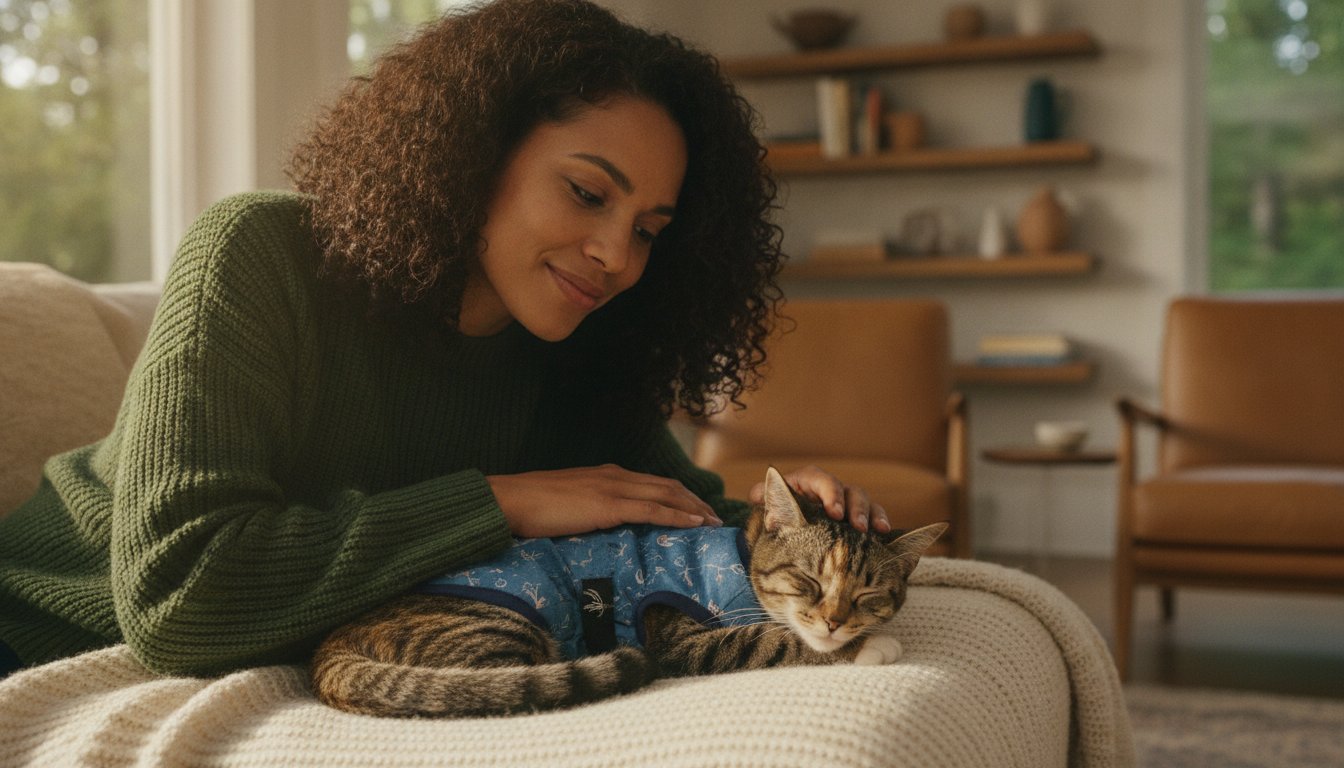
Imagine walking through your front door in Ferndale, carrying your tiny companion in her crate after her surgery. She's a bit wobbly, her eyes are wide, and suddenly, your quiet living room feels like an obstacle course of high shelves and tempting surfaces to jump on. It's completely natural to feel a wave of anxiety the moment you start the journey of cat spay recovery in Sullivan County. You want her to be comfortable, but you're also worried about every stretch, meow, or movement. We understand that your cat isn't just a pet; she's a cherished member of your family who deserves a gentle touch and a watchful eye.
At the Animal Hospital of Sullivan County, we've been a steady, calming presence for local families since 1953. Our goal is to replace your worry with the peace of mind that comes from having a clear, supportive plan. This guide will walk you through a stress-free 10-day recovery period, from managing medications to spotting the difference between normal healing and a true emergency. You'll learn exactly how to keep even the most active kitty quiet and comfortable while knowing that Dr. B and our dedicated team are right here in Ferndale to support you every step of the way.
Key Takeaways
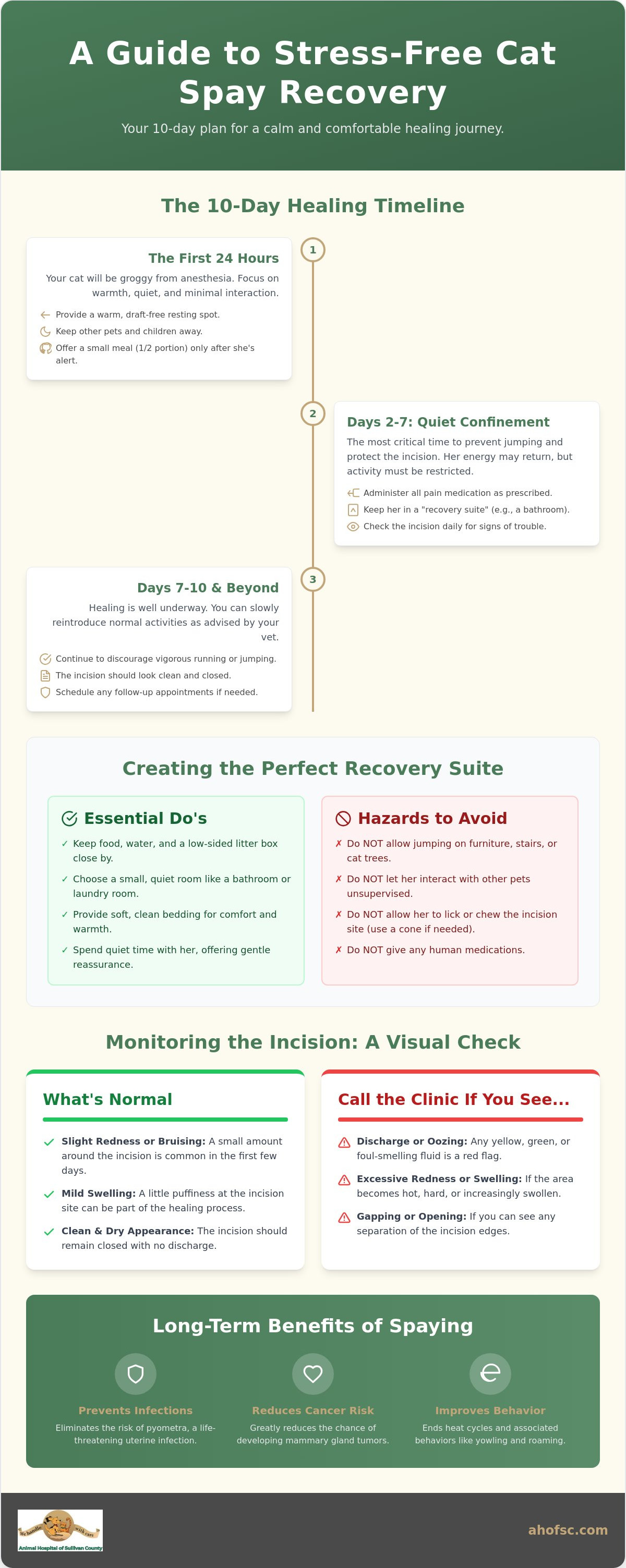
- Learn how to manage the first 24 hours of cat spay recovery in Sullivan County by creating a warm, quiet environment that eases post-surgical grogginess.
- Discover why a small, controlled recovery suite with no jumping hazards is essential for protecting your cat's delicate abdominal incision during the first ten days.
- Master the daily compassionate check to confidently distinguish between normal healing and symptoms that require a call to our Ferndale clinic.
- Understand how to administer pain medication with patience and why restricted activity is vital even when your cat starts acting like her usual self.
- Explore the long-term health benefits of spaying and how to adjust your companion's nutrition to ensure a lifetime of happiness and wellness.
The First 24 Hours: Bringing Your Cat Home to Sullivan County
Picking up your cat from our Ferndale clinic is a moment filled with relief and a bit of nerves. While the surgery itself is a standard procedure, the first day of cat spay recovery in Sullivan County is vital for a smooth healing process. Your cat will likely feel disoriented from the anesthesia as she transitions back to her familiar surroundings. She might seem wobbly, unusually sleepy, or even a little grumpy. This is the time to be her steady, calming presence. For those who want to understand the clinical background of the procedure, you can read a comprehensive overview of spaying to see how this routine surgery benefits your pet's long-term health and behavior.
To better understand the care needed during this early stage, watch this helpful video about post-op monitoring:
One vital detail to remember in our Catskills climate is temperature control. Anesthesia interferes with a cat's ability to regulate their own body heat. Even if it's a mild day in Ferndale, your cat might feel a chill as the medication wears off. Ensure her recovery spot is tucked away from drafts and includes a soft, warm blanket she can nestle into. Immediate confinement is the safest choice for her well-being. It might feel difficult to keep her in a small space, but it's the kindest way to prevent her from jumping or stretching her incision before the internal tissues have a chance to settle.
Setting Up the Transport and Entry
Use a secure carrier for the ride home to ensure her safety. We recommend covering it with a familiar-smelling towel to block out the overwhelming sights and sounds of the road. This reduces sensory overload and helps her stay calm during the drive. Once you're inside, place the carrier in a quiet, low-traffic room. Keep other household pets in a separate area for the first evening. Even the most bonded housemates can sense the "hospital smell" on a returning pet; this often leads to uncharacteristic hissing or stress for your recovering girl.
Post-Op Feeding and Hydration
Don't rush into a full meal. Offer small sips of water only once she's fully alert and walking without stumbling. If she keeps the water down for an hour, you can offer about half of her usual portion of food later in the evening. Nausea is a common side effect of anesthesia, so a light meal is much easier on her stomach. If your feline family member refuses to eat for more than 12 hours after coming home, please reach out to us. We're here to help you navigate every step of this journey with confidence.
Creating a "Recovery Suite" in Your Catskills Home
Once the initial grogginess of surgery wears off, your cat's instinct to explore her territory will likely kick back in. In our beautiful but often sprawling Catskills homes, providing too much freedom too soon is a common mistake. Successful cat spay recovery in Sullivan County starts with a dedicated "recovery suite." This is a small, controlled environment where she can rest without the temptation to run, climb, or hide in hard-to-reach places. A guest bathroom, a warm laundry room, or a large walk-in closet usually works best. By creating this safe space, you are protecting the investment you've made in the long-term wellness benefits of spaying, such as preventing serious infections and certain cancers.
Nights in the mountains can be particularly chilly, and a recovering cat's body is working hard to heal. Maintaining a steady, cozy temperature in her suite is essential for her comfort. Think of this time as a sacred extension of your bond. While she might meow at the door or seem bored, your presence and the quiet environment you provide are the best medicine. If you have questions about setting up your home, our team at the Animal Hospital of Sullivan County is always happy to offer personalized advice to ensure your pet stays comfortable.
Eliminating Vertical Challenges
For the first 7 to 10 days, your cat's abdominal incision is at its most vulnerable. Even a single jump onto a kitchen counter or a tall cat tree can cause internal sutures to pull or tear. Block access to stairs and high shelves by keeping the door to her recovery suite closed. You should also provide a low-entry litter box during this time. Standard boxes with high sides require a "step and stretch" motion that can strain the surgical site. Ensure her favorite bedding is placed directly on the floor so she doesn't have to hop onto a couch or bed to find comfort.
Environmental Enrichment Without Overexertion
Recovery doesn't have to be lonely, but it must be low-impact. You can soothe an anxious cat by using pheromone diffusers or playing soft, calming music in her room. Spend time with her by sitting on the floor and offering gentle chin scratches or quiet conversation. Vigorous play with feather wands or laser pointers is strictly off-limits until she is cleared by her vet. Staying indoors is non-negotiable during this period. Even for adventurous Sullivan County cats who enjoy the outdoors, the risks of dirt, moisture, and overexertion are far too high for a healing incision.
Monitoring the Incision: What is Normal vs. Urgent?
Performing a daily "compassionate check" is one of the most important ways you can support your feline family member. This simple act involves gently looking at the surgical site to ensure everything is progressing as it should. Most cat spay recovery in Sullivan County follows a predictable 10-14 day timeline for the skin to close completely. During this window, the E-collar, or "cone of shame," is her best friend, even if she disagrees! It prevents her from licking or biting at the sutures, which is the leading cause of post-op complications. Cats have tiny barbs on their tongues that can easily shred delicate stitches in just a few minutes. For a clear checklist of what to look for during these checks, you can refer to these detailed aftercare instructions to stay on track.
The Anatomy of a Healing Incision
A healing incision doesn't always look perfect right away. You might see a small amount of redness or minor bruising around the edges in the first few days. One very common finding is a firm, non-painful bump under the skin called a "healing ridge." This is actually a positive sign that the body is knitting the tissue back together. It often feels like a small, hard cord running directly under the incision line. Please resist the urge to apply any ointments, creams, or hydrogen peroxide to the area. These substances can irritate the delicate skin and slow down the natural process. If she seems fixated on her bandages or the cone, try gentle distractions like a new puzzle feeder or soft talking to redirect her attention. Keeping her mind busy is just as important as keeping her body still.
Red Flags: When to Seek Daytime Urgent Care
While most recoveries are smooth, you need to know when a situation requires professional attention. If you notice any foul odor, green or yellow discharge, or swelling that seems to be getting worse rather than better, please call us immediately. Another serious concern is dehiscence, which is when the edges of the incision begin to pull apart. At the Animal Hospital of Sullivan County, we utilize onsite diagnostics to quickly assess any concerns during our regular business hours. Watch for systemic signs of distress, such as extreme lethargy, repeated vomiting, or gums that look pale instead of a healthy pink. These symptoms tell us that her body is struggling and needs our "heart-first" medical support to get back on the path to wellness. Our Ferndale team is always ready to provide the surgical care and guidance needed to ensure your pet's safety.
Managing Pain and Activity: The Middle Recovery Phase
By the third or fourth day, you might notice a spark returning to your cat's eyes. She may start batting at your shoelaces or eyeing the top of the refrigerator with renewed interest. While it's wonderful to see her feeling better, this is often the most challenging part of cat spay recovery in Sullivan County. Her outward behavior doesn't always match her internal healing. Even if she's acting completely normal, her body is still working hard to bridge the surgical gap. We follow strict standards for every procedure, which you can learn more about in our guide to finding a trusted veterinary surgeon in Sullivan County. Keeping her calm during this week is an act of love that prevents painful setbacks.
If you have any concerns about her comfort levels as she becomes more active, please don't hesitate to reach out. Our team provides surgical care and daytime emergency support for our patients to ensure your peace of mind throughout the entire process.
Medication Safety and Tips
Administering pain medication is a critical part of a "heart-first" recovery plan. It's vital to only use the specific prescriptions provided by Dr. B. Never give your cat human medications like Tylenol or aspirin. These are highly toxic to felines and can be fatal even in tiny amounts. To make pilling less stressful, try using a small amount of a "pill pocket" or a tiny bit of her favorite wet food. If you're using liquid medication, gently slide the dropper into the side of the mouth behind the canine teeth. Keeping a simple log of every dose ensures consistency and prevents accidental double-dosing in a busy household. This methodical approach builds a foundation of safety and trust for your pet.
The "Quiet Play" Transition
Mental stimulation can help tire out an energetic cat without risking her incision. Use puzzle feeders or hide small treats around her recovery suite to keep her mind engaged while her body rests. You can also start offering supervised "room time" in a larger area of the house, provided you've blocked off high surfaces. This acts as a reward for her patience. If you notice her breathing heavily, or if the incision site shows new redness after a period of movement, she's likely overdoing it. Gently guide her back to her quiet space for a nap. Reintroducing her to other family pets should be done slowly and under your watchful eye to ensure no roughhousing occurs during these final healing days.
Lifelong Wellness After the Spay: Your Next Steps in Ferndale
Once the initial ten-day window of cat spay recovery in Sullivan County is behind you, your feline friend enters a new and healthier chapter of her life. This procedure is a profound gift of wellness. It virtually eliminates the risk of pyometra, which is a life-threatening uterine infection, and significantly reduces the chance of mammary tumors. By choosing this path, you've added years of potential happiness and vitality to her journey. Our team in Ferndale is proud to have been your partner during this surgical phase. Our commitment to your family continues long after the sutures have dissolved and the "cone of shame" is put away for good.
Nutritional Adjustments for Spayed Cats
After sterilization, a cat's metabolism naturally shifts. Her caloric needs often decrease because her body no longer requires energy for reproductive processes. Studies in feline physiology suggest that a spayed cat's daily caloric requirement can drop by approximately 20 to 25 percent. If her diet remains exactly the same as it was before surgery, she might begin to put on extra weight. This extra weight can lead to joint stress or metabolic issues like diabetes. We recommend monitoring her weight closely in the three months following her surgery. We're always here to help you choose a high-quality, life-stage diet that keeps her lean and vibrant. A small adjustment in her bowl now prevents much bigger health hurdles later.
Building a Long-Term Health Partnership
Since 1953, the Animal Hospital of Sullivan County has stood as a trusted community advocate for pet health. Our 70-year history is built on the sacred bond between local families and their animals. As your cat matures, regular check-ups become the cornerstone of her ongoing vitality. You can plan your next pet wellness exam in Sullivan County to stay ahead of any changes in her health. With our onsite lab and diagnostic tools, we can monitor her internal well-being with both precision and neighborly empathy.
We don't just see patients; we see cherished household members who deserve a "heart-first" approach. Whether it's scheduling follow-up vaccinations or discussing parasite prevention for the changing Catskills seasons, our team is personally invested in your pet's quality of life. Your cat's successful recovery from her spay is just the beginning of a long, happy life together. Remember that our guidance and support are always just a phone call away. We're honored to walk this lifelong path of care alongside you and your feline family member.
A Brighter, Healthier Future for Your Feline Family Member
Navigating the journey of cat spay recovery in Sullivan County is a deeply personal experience that requires both patience and the right information. By establishing a quiet recovery suite and keeping a close eye on her healing incision, you've provided the foundation she needs to thrive. These early days of restricted activity and careful monitoring are the kindest gifts you can give to ensure her long-term comfort. You've successfully bridged the gap between surgery and a lifetime of wellness.
Since 1953, our family-centered practice has been here to support Sullivan County residents with comprehensive surgical care and a neighborly touch. We understand that your pet is a cherished family member; she deserves nothing less than our heart-first approach. Our team provides onsite diagnostics and daytime urgent care to give you total peace of mind during every stage of the post-operative period. We're always just a phone call away if you have questions about her progress.
Please schedule a post-op check or surgical consultation with our compassionate team to ensure your companion is on the right track. We're honored to be your partner in this sacred bond of care. Your cat's vibrant, healthy life in the Catskills is our greatest reward!
Frequently Asked Questions
How long does it take for a cat to fully recover from a spay?
Most cats require 10 to 14 days for the external incision to close completely. While your pet might feel like her usual self within just a few days, her internal tissues are still mending. It is vital to maintain restricted activity during this entire window to prevent complications. This timeframe is the standard for cat spay recovery in Sullivan County to ensure a safe and healthy transition back to normal play.
My cat is very active; how can I keep her quiet after surgery?
Keeping an energetic cat calm requires a mix of environmental control and gentle mental engagement. Confine her to a small room without high furniture or shelves to prevent jumping. You can use puzzle feeders or soft talking to keep her mind busy without straining her body. If she remains overly restless, please contact our Ferndale team to discuss safe ways to manage her anxiety during this sensitive time!
Is it normal for my cat to have a lump at the incision site?
A small, firm, non-painful lump under the incision is often a normal "healing ridge." This occurs as the body uses collagen to knit the internal surgical layers back together. However, if the lump feels hot to the touch, looks very red, or produces any discharge, it could indicate an infection. We always prefer to be safe; give us a call if you notice any changes that cause you concern.
When can my cat start eating and drinking normally again?
You can typically resume normal feeding the morning after surgery. On the evening she returns home from our clinic, offer only small sips of water once she is fully alert. If she handles the water well, a half-portion of her regular food is appropriate for that first night. Avoid large meals immediately as anesthesia can cause nausea. Most feline family members are back to their regular appetite within 24 hours.
What should I do if my cat takes off her E-collar?
You must replace the E-collar immediately to protect the surgical site from self-trauma. Even a few minutes of grooming can lead to torn sutures or a serious infection. If she is a true "escape artist," ensure the collar is snug enough that only two fingers fit underneath. We can also discuss alternative options, like recovery suits, if she simply cannot tolerate the traditional cone during her cat spay recovery in Sullivan County.
Can I leave my cat alone the day after her spay surgery?
It is generally safe to leave your cat alone for short periods the day after surgery, provided she is in a secure, hazard-free "recovery suite." Ensure the room is quiet and she has easy access to her litter box and water. We recommend checking on her every few hours to monitor her comfort and ensure her collar is still in place. Your presence is comforting, but she also needs plenty of uninterrupted rest to heal.
Why is my cat hiding or acting differently after her spay?
Hiding is a natural feline response to the stress of a clinical visit and the lingering effects of anesthesia. She may also feel "different" due to the hospital scents on her fur or the strange sensation of the E-collar. Provide a quiet, dim space where she feels safe and let her come to you when she is ready. If her behavior doesn't improve after 48 hours, our compassionate team is here to help you assess her progress.
Does a spay surgery change a cat’s personality?
Spaying does not change your cat's fundamental personality or the sacred bond she shares with you. It does, however, eliminate behaviors driven by hormonal cycles, such as loud yowling, spraying, or the frantic urge to roam. Many owners find their cats become even more affectionate and relaxed once the stress of heat cycles is removed. She will still be the same cherished companion you know and love, just with a healthier future ahead!


