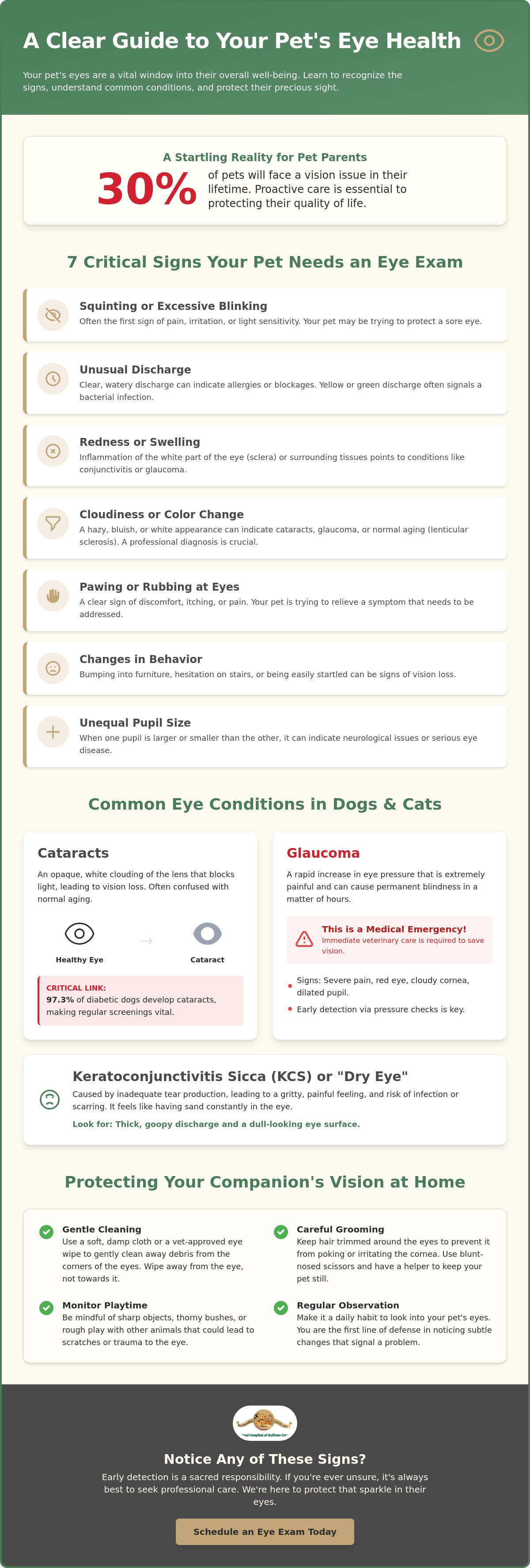
Did you know that nearly 30% of our beloved companions will face a vision issue at some point in their lives? It's a startling number that highlights why proactive animal eye care is so vital for the pets we consider family. We understand that few things are more heart-wrenching than seeing your dog or cat pawing at a red eye or bumping into furniture. You want to protect that sparkle in their gaze, but it's easy to feel overwhelmed when you aren't sure if a watery eye is a simple irritation or a sign of something more serious.
You deserve the peace of mind that comes from knowing your furry friend is comfortable and safe! This guide will help you decode common symptoms and understand the essential steps to maintaining your pet’s lifelong vision. We'll explore how to identify early warning signs, discuss modern treatments like advanced ocular gels, and clarify exactly when it's time to reach out for professional medical care. Your pet’s eyes are their window to the world, and together, we can ensure that window stays clear and bright for years to come.
Key Takeaways
- Understand why your pet's eyes serve as a vital window into their overall health, often revealing systemic issues before other symptoms appear.
- Learn to identify the seven critical warning signs, like squinting or unusual discharge, that indicate your companion needs immediate animal eye care.
- Discover the most common eye conditions affecting dogs and cats, including cataracts and "Dry Eye," and how early detection preserves their comfort.
- Find out what to expect during a gentle, compassionate veterinary eye exam and how specialized tests help us protect your pet's vision.
- Gain practical tips for maintaining your pet’s eye health at home, from safe cleaning methods to simple grooming habits that prevent irritation.
The Vital Role of Animal Eye Care in Your Pet’s Overall Well-being
Your pet's eyes are more than just beautiful features that greet you every morning; they are profound indicators of their internal health. We often say the eyes are a window to the soul, but in veterinary medicine, they're also a window to the body. Changes in your pet's gaze can reveal systemic health issues like high blood pressure, certain cancers, or hidden infections long before other symptoms appear. By prioritizing animal eye care, you're doing more than protecting their sight; you're safeguarding their entire physical well-being.
This "heart-first" approach recognizes that vision is essential for a pet’s confidence and safety. Imagine how a dog feels navigating a busy park or how a cat feels jumping onto a favorite perch without clear sight. Vision allows them to interact with their world without fear. Unfortunately, our companions are remarkably stoic. They've evolved to hide discomfort as a survival instinct, which means eye pain often goes unnoticed by even the most dedicated pet parents. A subtle change in behavior or a slight squint might be the only sign that your friend is struggling.
Maintaining clear vision is a lifelong journey that evolves as your pet grows. In puppyhood and kittenhood, we focus on identifying congenital issues or preventing injuries during active play. As they reach their golden years, the focus shifts toward managing age-related changes and chronic conditions. Consistent attention ensures that their quality of life remains high at every stage of their development, from their first steps to their sunset walks.
Why Early Detection is a Sacred Responsibility
Time is a critical factor in ocular health. Certain conditions, such as glaucoma, can progress with frightening speed. In some cases, high intraocular pressure can lead to permanent blindness in just a few hours. Early intervention is truly a sacred responsibility we share. When we catch issues in their infancy, we can often manage them with simple drops or non-invasive treatments. This proactive care often prevents the eventual need for complex Ophthalmic surgery, which can be more stressful for both you and your pet. If you're ever unsure if a symptom is serious, our guide on signs your pet needs a vet provides a helpful roadmap for Sullivan County families.
The Connection Between Vision and Quality of Life
When a pet loses their vision, their world shrinks. They may become hesitant to move, develop separation anxiety, or become easily startled by sudden touches. This loss of independence can be heartbreaking to watch. Beyond the ability to see, we must prioritize comfort. Conditions that cloud the eyes or cause inflammation aren't just inconvenient; they're often painful. Ensuring your pet isn't living with chronic, dull aches is a vital part of being a loving caregiver. Ophthalmic wellness is the cornerstone of sensory health.
Common Eye Conditions in Dogs and Cats
When you look into your pet's eyes, you want to see clarity and comfort. However, many different conditions can cause similar signs like redness or cloudiness, which can be confusing for even the most attentive pet parents. Understanding these common ailments is a vital part of proactive animal eye care. One of the most frequent points of confusion is the difference between normal aging and disease. As pets grow older, their lenses often take on a bluish, hazy tint called lenticular sclerosis. While this looks cloudy, it's a normal change that doesn't usually cause blindness. In contrast, a cataract is a white, opaque change in the lens that blocks light and can lead to total vision loss. For instance, a 2023 study found that 97.3% of dogs with diabetes eventually develop cataracts, making monitoring especially critical for our diabetic friends.
We also frequently see "Dry Eye," or Keratoconjunctivitis Sicca (KCS). This condition occurs when a pet doesn't produce enough tears to lubricate the eye. It's incredibly bothersome because it feels like having sand in your eyes constantly. Without that protective moisture, the eye becomes prone to painful infections and scarring. Certain breeds, particularly brachycephalic dogs like Pugs or French Bulldogs, face unique challenges. Their shallow eye sockets mean they are at a higher risk for proptosis, where the eyeball can actually displace from the socket during trauma or even rough play. Our goal is to catch these issues early to keep your cherished household member happy and pain-free.
Understanding Cataracts and Glaucoma
Cataracts act like a foggy window, slowly obscuring the world. While they are often age-related, they can also be hereditary or caused by trauma. Glaucoma is even more urgent. It involves a buildup of fluid pressure inside the eye that can damage the optic nerve very quickly. This is a true medical emergency. The American College of Veterinary Ophthalmologists (ACVO) emphasizes that high pressure can cause permanent damage in less than 24 hours. Watch for these signs:
- Cataracts: A milky white appearance in the center of the eye and bumping into walls in low light.
- Glaucoma: A bulging eye, extreme redness, and a dilated pupil that doesn't react to light.
Surface Irritations: Ulcers and Conjunctivitis
In our beautiful Sullivan County, our pets love exploring the outdoors. However, running through tall brush or high pollen counts can lead to surface issues. Corneal ulcers are essentially scratches on the clear front part of the eye. They are intensely painful and often cause pets to keep their eyes tightly shut. Conjunctivitis, or "pink eye," is another common concern, often appearing as swollen, red tissues around the eye. To accurately identify if a red eye is a simple allergy or a deep scratch, we rely on pet diagnostics Sullivan County to perform specialized staining tests. If you notice your pet squinting after an afternoon walk, it's a good idea to schedule a gentle wellness exam to ensure no hidden damage is present.
7 Signs Your Pet Needs an Immediate Eye Exam
Recognizing when your companion is in distress is a vital part of being a dedicated pet parent. Because our pets can't tell us when their vision is blurring or their eyes are aching, we must rely on our observations. Some signs of trouble are impossible to miss, while others are subtle whispers that something is wrong. When it comes to animal eye care, acting quickly can be the difference between a simple recovery and a permanent loss of sight. Don't wait if you notice your pet is struggling!
There are several physical indicators that require your immediate attention. If you see any of the following, it’s time to consult with a professional:
- Squinting: Holding an eye partially or fully closed is a major sign of ocular pain.
- Unusual Discharge: While a little "sleep" in the eyes is normal, discharge that is yellow, green, thick, or bloody indicates infection or injury.
- Cloudiness: As we discussed earlier, a milky or hazy appearance can signal cataracts or internal inflammation.
- Pawing at the Face: If your pet is rubbing their eye against the carpet or furniture, they are trying to relieve intense irritation.
- Visible Third Eyelid: Seeing a protruding pink membrane or "cherry eye" means the eye's protective structures are compromised.
- Changes in the Iris: Any new spots, growths, or color changes in the colored part of the eye should be checked.
- Uneven Pupils: If one pupil is much larger than the other, it could indicate a serious neurological or internal eye issue.
Behavioral Changes Linked to Vision Loss
Sometimes the eyes look fine, but your pet's behavior tells a different story. You might notice them hesitating before stepping into a dimly lit room or bumping into a chair that was moved slightly. They may also become suddenly startled or even defensive if you approach them from their "blind" side. It's a common misconception to label a senior pet as "clumsy" when, in reality, clumsiness in pets is often an undiagnosed vision issue that is making them feel insecure in their environment.
When Redness Becomes an Emergency
A little redness can sometimes be a simple seasonal allergy, but a "bloodshot" appearance is often a medical emergency. Deep redness usually indicates high pressure or severe internal inflammation. If your pet experiences sudden eye trauma during our office hours, you should seek emergency vet Sullivan County NY care immediately to assess the damage. Whatever you do, please never use human eye drops on your pet without a vet’s approval. Many human medications contain ingredients that are toxic or even blinding to animals. We are here to provide the safe, specialized care your cherished family member deserves!
What to Expect During a Veterinary Eye Exam
Bringing your pet in for an eye exam doesn't have to be a stressful experience for either of you. We believe that professional animal eye care should feel like a visit with a trusted neighbor. Our team uses a gentle, heart-first approach to ensure your companion feels safe and loved while we examine their sensitive ocular structures. We move slowly, using soft voices and steady hands to minimize any anxiety your pet might feel during the process.
During the visit, we perform several specialized tests to get a clear picture of your pet's health. The Schirmer Tear Test is a simple, painless procedure where a tiny strip of specialized paper is placed near the eyelid for sixty seconds to measure tear production. This helps us diagnose "Dry Eye" before it causes permanent scarring. Next, we often use a Fluorescein Stain. This involves a harmless orange dye that glows under a blue light; it allows us to see hidden scratches or ulcers that are invisible to the naked eye. Finally, we use a tool for Tonometry to measure internal eye pressure. This is a crucial step in screening for glaucoma, as catching high pressure early is the best way to save a pet’s sight.
Advanced Diagnostics at Our Ferndale Hospital
We utilize specialized lights and high-powered magnification to see deep into the internal structures of the eye, including the retina and lens. Having these diagnostics available in-house means you get answers right away rather than waiting days for results. This immediate insight allows us to start a treatment plan the moment it is needed, giving your pet the fastest path to relief. You can learn more about our facility and our commitment to excellence at our animal hospital Sullivan County pillar page.
Next Steps: Treatment and Management
Once we have a diagnosis, we'll create a tailored plan for your cherished family member's recovery. Most conditions are managed effectively with medicated drops, soothing ointments, or oral anti-inflammatories. If a condition is particularly complex or requires microsurgery, we'll be honest with you and guide you toward a referral to a board-certified specialist. In some cases, surgical care may be necessary to correct eyelid issues or to remove a chronically painful eye to restore a pet's quality of life. If you've noticed any changes in your pet’s gaze, please contact us to schedule a gentle eye evaluation today.
Protecting Your Companion’s Vision at Home
While professional checkups are essential, the most impactful animal eye care often happens in the comfort of your own living room. Empowering yourself with simple, daily habits can prevent minor irritations from blossoming into painful conditions. One of the easiest things you can do is keep the hair around your pet’s eyes neatly trimmed. Long, stray hairs can act like tiny needles, constantly brushing against the cornea and causing the surface scratches we discussed earlier. If you’re comfortable doing this at home, always use blunt-nosed safety scissors; otherwise, a professional can help keep those "curtains" drawn back safely.
Maintaining a clean face is also a vital part of your routine. If you notice a bit of "sleep" or clear crustiness, use a soft, warm, damp cloth to gently wipe it away. Always wipe from the inner corner of the eye outward to avoid pushing debris back in. Beyond grooming, consider your pet’s environment. We all love seeing a dog with their ears flapping in the breeze, but allowing them to ride with their head out the window is a major risk. At high speeds, even a tiny piece of dust or a small insect can strike the eye like a projectile, leading to severe trauma. Keeping the windows up or using pet-safe goggles ensures their adventures remain safe.
As your cherished friend enters their golden years, their needs will naturally shift. Monitoring age-related changes becomes even more critical to ensure they aren't living in silence with a dull ache. Our guide to senior pet care Sullivan County offers deeper insights into how we can support your aging companion through every transition.
Nutrition and Supplements for Eye Health
What goes into your pet’s bowl also plays a role in their ocular wellness. Antioxidants like Vitamin C and E, along with Omega-3 fatty acids, provide the building blocks for healthy retinas and can help manage inflammation. We carry a variety of high-quality pet store products specifically formulated to support sensory health. While supplements are wonderful, they are most effective when paired with regular wellness exams. These visits are the ultimate "preventive medicine," allowing us to catch the subtle shifts in intraocular pressure or lens clarity that you might not see at home.
Schedule Your Pet’s Vision Checkup
We invite all our Sullivan County neighbors to make an annual eye evaluation a standard part of their pet’s healthcare journey. At Animal Hospital of Sullivan County, we pride ourselves on being more than just a clinic; we’re a dedicated partner in your pet’s happiness. Our team provides a calming, steady presence that makes every visit a soothing experience. Let’s work together to protect that beautiful sparkle in your pet's eyes! Schedule a compassionate eye exam today and give your companion the gift of clear, comfortable vision.
A Bright Future for Your Pet’s Vision
Protecting your pet's sight is one of the most meaningful ways to show your love. By staying vigilant for subtle signs like squinting or behavioral changes, you're ensuring your companion navigates their world with total confidence. Remember that consistent animal eye care is about more than just sight; it's about the daily comfort and long-term happiness of your cherished family member. Whether you're trimming hair at home or monitoring age-related changes, your dedication is their greatest shield.
At Animal Hospital of Sullivan County, we've been serving our community since 1953 with a heart-first approach to medicine. Dr. B and our team utilize onsite diagnostics to provide the fast, accurate answers you deserve. You never have to face vision concerns alone! We are here to provide a steady, calming presence for both you and your pet. Book a Compassionate Eye Exam at Animal Hospital of Sullivan County today to keep your friend's gaze clear and bright. We can't wait to welcome your family into our hospital!
Frequently Asked Questions about Animal Eye Care
Is a cloudy eye in a dog always a sign of blindness?
No, a cloudy appearance isn't always a sign of blindness, as it often results from a normal aging process called lenticular sclerosis. This bluish haze typically doesn't impair a pet's vision significantly. However, because it looks very similar to cataracts, which do cause blindness, we recommend a professional exam to tell the difference. We want to ensure your pet is navigating their home safely and comfortably!
Can I use human saline solution to wash my cat’s eyes?
You should only use saline solutions specifically formulated for pets or those directly recommended by your veterinarian. Many human eye products contain preservatives or buffers that can cause intense stinging or even chemical damage to a cat's delicate ocular tissues. If your cat has a bit of debris in their eye, a soft cloth dampened with plain, warm water is a much safer home alternative.
What are the most common causes of red eyes in pets in Sullivan County?
Environmental allergens like local pollen and physical irritants from our tall brush and fields are the most frequent causes of red eyes in our area. Pets exploring the Sullivan County landscape often encounter dust or seeds that cause inflammation or minor surface scratches. Other common causes include bacterial conjunctivitis and "Dry Eye," which require specific medical treatments to prevent the eye from becoming painfully scarred.
How much does a typical animal eye exam cost?
The cost of an eye exam varies depending on whether you are visiting a general practitioner for a wellness check or a board-certified specialist for a complex issue. While we don't provide specific price lists here, a standard exam at a general clinic is a cost-effective way to catch problems early. Investing in regular animal eye care is truly the best way to avoid the higher expenses associated with emergency surgeries later.
Can my pet’s vision be restored if they have cataracts?
Yes, vision can often be restored through the surgical removal of the cloudy lens. This specialized procedure involves replacing the damaged lens with an artificial one, very similar to how cataracts are treated in humans. While not every pet is a candidate for surgery due to underlying health, these advancements have allowed many dogs and cats to regain their sight and their confidence in their surroundings.
What should I do if my pet suddenly starts squinting one eye?
You should contact your veterinarian immediately if your pet starts squinting, as this is a primary indicator of significant ocular pain. Squinting often means there is a corneal ulcer, a hidden foreign object, or a sudden spike in internal eye pressure. Because many eye conditions can progress to permanent damage within just a few hours, seeking prompt medical care is the kindest thing you can do.
Is "cherry eye" in dogs a medical emergency?
While "cherry eye" is generally not a life-threatening emergency, it does require a veterinary appointment as soon as possible to prevent chronic health issues. This condition occurs when the gland of the third eyelid prolapses and appears as a red mass in the corner of the eye. If left untreated, the gland can stop producing tears, leading to a lifetime of painful "Dry Eye" and potential vision loss.
How often should a senior pet have their eyes checked by a vet?
Senior pets should have their eyes examined at least every six months during their regular wellness visits. Because age-related conditions like glaucoma and retinal changes can develop very subtly, frequent monitoring is a vital part of proactive animal eye care. These regular checkups allow us to track small changes over time and adjust treatments to ensure your cherished household member stays comfortable during their golden years.


