Imagine the quiet worry that settles in the moment your veterinarian mentions your furry family member needs an operation. It's a heavy feeling that every devoted pet parent understands. When you're searching for pet surgery Sullivan County NY, you aren't just looking for a medical facility; you're looking for a team that treats your companion like their own. We know that the thought of anesthesia or the road to recovery can feel overwhelming. It's completely natural to have questions about safety and what happens once you get back home.
We believe that peace of mind comes from clear communication and expert care. This guide is designed to replace your anxiety with confidence by explaining exactly how we prioritize your pet's safety. You'll discover how to navigate pre-operative instructions without the stress and learn the best ways to support your pet during their healing journey. We'll provide a practical checklist for home preparation and a clear look at the professional standards that ensure your beloved friend is in the most capable, compassionate hands possible.
Key Takeaways
- Learn how to identify the subtle signs that your pet may need surgical intervention and explore common procedures that improve their long-term quality of life.
- Understand why choosing an AAHA-accredited hospital for pet surgery Sullivan County NY ensures the highest standards of safety and anesthesia for your furry family member.
- Get a step-by-step guide on how to prepare your pet for their procedure, including essential fasting instructions and hydration tips for the 24 hours prior.
- Discover how to create a peaceful "recovery zone" in your home to support a smooth and comfortable healing process after discharge.
- Gain the confidence to monitor your pet's recovery with professional insights on what to look for at the incision site and when to contact your care team.
Understanding Pet Surgery in Sullivan County NY: When Care is Needed
Deciding on a surgical procedure for your four-legged family member is rarely a simple choice. It’s a decision rooted in love and the desire for a long, vibrant life together. We view pet surgery Sullivan County NY not just as a medical necessity, but as a compassionate pathway toward a higher quality of life. Whether your companion needs a routine procedure or a more complex intervention, modern veterinary medicine has reached incredible heights. Today, advanced monitoring equipment and refined techniques make common surgeries safer and more effective than they have ever been before!
Choosing a local expert in Sullivan County provides a level of continuity that is vital for your pet's well-being. When the same team that handles your pet's wellness exams also manages their surgical care, it creates a seamless medical history. This familiarity allows us to tailor every aspect of the procedure to your pet's specific needs, from the type of anesthesia used to the personalized recovery plan we create together. There is a special kind of peace that comes from knowing your pet is being cared for by neighbors who truly value the sacred bond you share.
Why Your Vet Might Recommend Surgery
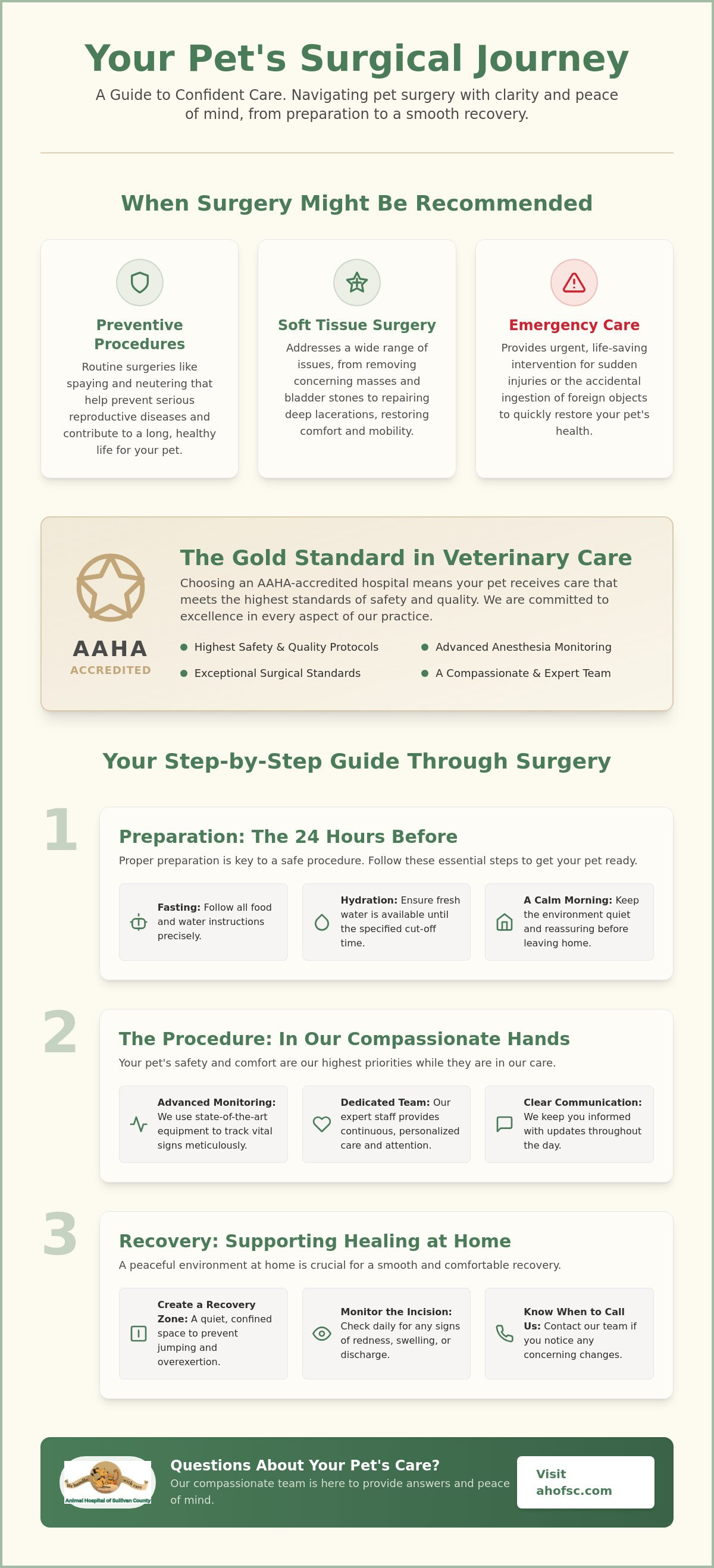
There are many reasons why a surgical approach might be the best option for your pet's health. Veterinary surgery encompasses a wide range of procedures designed to protect and heal. Preventive surgeries, such as spaying and neutering, are some of the most common and impactful choices you can make for long-term wellness. These procedures help prevent serious reproductive diseases and can lead to a calmer, happier home life.
In other cases, soft tissue surgery might be necessary to address chronic pain or mobility issues. This includes the removal of worrying masses or internal repairs that help your pet move comfortably again. Sometimes, life throws a curveball, and emergency surgery becomes necessary to address sudden injuries or the accidental ingestion of a curious object. No matter the reason, our goal is always to restore your pet’s health and get them back to their favorite sunny spot on the rug.
The Emotional Journey of Pet Ownership and Medical Care
It’s completely normal to feel a wave of anxiety when the word "surgery" is mentioned. We understand that your pet is a cherished member of your household, and the thought of them being under medical care can be frightening. We want to help you move away from the fear of the unknown and toward a place of quiet confidence in the plan we've built together.
At the Animal Hospital of Sullivan County, we pride ourselves on being more than just technicians; we are your dedicated partners in this journey. We take the time to answer every question with patience and kindness. By providing clear information and a steady, calming presence, we ensure you feel supported every step of the way. Your peace of mind is just as important to us as your pet’s physical health!
Common Types of Veterinary Surgery for Small Animals
Understanding the different categories of surgical care helps demystify what happens behind our clinic doors. While the term might sound intimidating, most instances of pet surgery Sullivan County NY fall into routine or planned categories that significantly extend a pet's life. From fixing a playground scrape to complex internal work, each procedure is handled with a focus on safety and comfort. We categorize these procedures to help you understand the specific goals of your pet's treatment plan.
Soft Tissue Surgery: More Than Just the Basics
Soft tissue surgery is a broad and vital field that addresses everything not related to bones or joints. This includes procedures involving the skin, muscles, and internal organs. In our local community, we frequently see cases like tumor removals or repairing deep lacerations from outdoor adventures. These surgeries can range from simple mass removals to more intricate procedures like bladder stone removal or foreign body retrieval from the digestive tract.
We also specialize in dog spay neuter Sullivan County services, which are foundational to a long, healthy life. These soft tissue procedures are often the key to resolving chronic discomfort. By addressing these issues early, we can prevent a small concern from becoming a major health crisis. Our team uses precise techniques to ensure incisions are as small as possible, which helps your companion get back to their normal routine faster!
Preventive and Elective Procedures
Elective surgeries are planned ahead of time and serve as a powerful tool for preventive wellness. Spaying and neutering are the most well-known examples, but other procedures like gastropexy are vital for certain large-breed dogs. Gastropexy helps prevent a life-threatening "twisted stomach" or bloat by surgically securing the stomach to the abdominal wall. When you are preparing your pet for anesthesia for these elective visits, you are making a proactive investment in their future. Early intervention through these planned surgeries almost always leads to smoother recoveries and better overall outcomes.
Beyond planned visits, we provide essential emergency surgical care during our regular business hours in Ferndale, NY. This might involve life-saving measures for sudden injuries or addressing internal blockages. Additionally, dental surgery plays a massive role in systemic health. Oral infections don't just stay in the mouth; they can impact the heart and kidneys. If you've noticed any changes in your pet's eating habits or activity levels, it might be time to schedule a wellness exam to discuss their surgical or medical needs with our compassionate team.
The AAHA Standard: Why Your Choice of Hospital Matters
When you are researching pet surgery Sullivan County NY, you might notice a special seal of approval on certain facilities. This seal represents accreditation from the American Animal Hospital Association (AAHA). While every veterinary clinic must follow state regulations, AAHA accreditation is entirely voluntary. It is a rigorous process that only about 15 percent of veterinary hospitals in the United States and Canada choose to undergo. We are proud to be the only AAHA-accredited hospital in Sullivan County, a distinction we have maintained since 1983!
This accreditation means we choose to be evaluated on approximately 900 different standards of care. These standards cover everything from the cleanliness of our surgical suite to the precision of our anesthesia protocols. For a pet owner, this translates to a higher level of safety and a commitment to excellence that is verified by outside experts. These rigorous benchmarks are designed to improve survival rates during complex procedures and promote a faster, more comfortable recovery for your beloved companion. We don't just aim for "good enough"; we strive for the gold standard in every operation we perform.
Safety Protocols and Anesthesia Monitoring
Safety begins long before the first incision is made. We require pre-anesthetic bloodwork for our patients to ensure their internal organs, like the liver and kidneys, can safely process the medications. During the procedure, your pet is never alone. A dedicated surgical technician is assigned to monitor your pet’s vital signs every second they are under care. We use advanced equipment to track heart rate, oxygen levels, and blood pressure. This constant vigilance allows us to make real-time adjustments, which is especially critical when we are tailoring anesthesia protocols for our senior pets or those with underlying health conditions.
Pain Management: A 'Heart-First' Approach
There is an old, outdated misconception that pets don't feel pain the same way humans do. We know that simply isn't true. Our "heart-first" philosophy means we prioritize your pet's comfort as a vital part of their medical treatment. We use a multi-modal pain management strategy. This means we provide relief before the surgery starts, during the procedure, and throughout the recovery period.
By using a combination of different types of medications, we can target pain from multiple angles while keeping dosages at the safest possible levels. Effective pain management does more than just provide comfort. It actually speeds up the healing process by reducing stress on the body. When your pet is comfortable, they are more likely to rest deeply and begin eating sooner, which are the first big steps on the road to getting back to their happy, wagging selves.
How to Prepare Your Pet for Surgery: A Step-by-Step Guide
Preparation is a partnership between your family and our medical team. When you're getting ready for pet surgery Sullivan County NY, the small details you handle at home make a massive difference in your companion's safety. Taking these steps doesn't just help the procedure go smoothly; it gives you a sense of control and purpose during a naturally anxious time. By following a clear plan, you're ensuring your pet arrives at the hospital in the best possible condition for their journey toward healing!
The Night Before Surgery
The most critical instruction is the "NPO" or "nothing by mouth" rule. This means your pet should not have any food after a specific time, usually midnight before the procedure. While it feels difficult to ignore those pleading eyes at breakfast time, fasting is vital to prevent vomiting while under anesthesia. Water is usually fine until the morning of the visit, but please check your specific discharge notes for any variations.
If your pet is on daily medications, ask us ahead of time which ones should be given that morning. We also recommend a gentle brushing or a bath a day or two before the visit if they are particularly dirty, though you should avoid getting their skin irritated. Gathering their medical history and any current medications into one spot will make the morning check-in much calmer. This simple organization helps you stay focused on providing reassurance to your furry friend.
Creating a Safe Recovery Space
Your Sullivan County home should be ready for a sleepy, recovering patient before you even leave for the hospital. Choose a quiet, low-traffic area where your pet can rest without being disturbed by other pets or energetic children. This "recovery zone" should be on the ground floor to prevent any need for stairs. If you have a dog that usually jumps on the couch, consider using a crate or a cozy bed on the floor to keep them grounded and safe.
- Bedding: Use soft, washable blankets that provide plenty of cushion.
- Access: Ensure their water bowl and, for cats, a clean litter box with low sides are within easy reach.
- Safety: Remove any small objects or rugs that could cause a trip or a slip while they are still regaining their balance.
On the morning of the procedure, try to keep the house as peaceful as possible. Pets are incredibly sensitive to our energy; if you stay calm and steady, they will feel much more secure. Bring them to the hospital in a secure carrier or on a sturdy leash. If you have any lingering questions about these steps, please reach out to the Animal Hospital of Sullivan County to speak with our caring staff. We are here to support you every step of the way!
Post-Operative Care and Recovery in Sullivan County
The moment you arrive to pick up your pet after their procedure is often filled with a mix of relief and a little bit of nervousness. Our discharge process is designed to replace that uncertainty with absolute clarity. We take the time to sit down with you and walk through every detail of the recovery plan. This ensures that the high standard of care your pet received during their pet surgery Sullivan County NY continues seamlessly once you get back home. You'll leave with clear, written instructions, but we make sure you feel truly confident in your role as their primary caregiver during these first critical days.
Monitoring the incision site is one of your most important responsibilities as a pet parent. A healthy incision should look clean with the edges touching. While a tiny bit of redness or minor bruising is normal, you should keep a close eye out for significant swelling, any discharge, or unpleasant odors. If your pet seems unusually lethargic or refuses to eat after the first 24 hours, please reach out to us. We are your neighbors, and we would much rather answer a quick question over the phone than have you worry through the night!
Medication and Wound Management
Administering medications at home doesn't have to be a stressful struggle for you or your pet. We can demonstrate gentle techniques for liquid meds or suggest pet-friendly "pill pockets" that turn treatment time into treat time. The Elizabethan collar, or the "cone of shame," is truly a "cone of healing" and is non-negotiable for a safe recovery. Even a few seconds of licking can introduce harmful bacteria or pull out vital sutures. In our varied New York climate, keeping the surgical site dry can be a challenge. On damp or snowy days, keep outdoor potty breaks brief and avoid letting your pet wander through tall, wet grass or mud.
Long-Term Healing and Follow-Up
The journey back to full health includes a vital follow-up visit at our Ferndale office. This post-operative recheck allows us to ensure the tissue is knitting together perfectly and to remove any external stitches if necessary. For our active Catskills dogs, the hardest part of recovery is often the "leash-only" rule. Even if your dog feels like they are ready to run, internal healing takes much longer than the surface incision suggests. We'll help you navigate a gradual return to exercise, moving slowly from short leash walks back to full play.
If you are supporting an older companion through this process, you might find our resources on senior pet care Sullivan County especially helpful. Aging patients sometimes have a different healing rhythm, and we're here to provide the extra patience and specialized support they need. By working together, we can ensure your pet's golden years remain comfortable, active, and filled with the love they've always given you!
Moving Toward Healing and Health Together
Navigating the path to your pet's recovery is a journey built on trust, preparation, and expert care. We've discussed how understanding the surgical process and adhering to strict safety protocols can transform a stressful experience into a successful outcome. By creating a calm environment at home and following professional guidance, you play a vital role in your companion's healing. It's about ensuring your cherished family member returns to their happy, active life as quickly and safely as possible!
As the only AAHA-accredited hospital in the region, the Animal Hospital of Sullivan County has been a steady presence for the Catskills community since 1953. Our veteran-owned practice, led by Dr. Barbara Bodolosky (Dr. B), remains committed to the highest medical standards and neighborly compassion. When you're facing the need for pet surgery Sullivan County NY, you don't have to walk that path alone. Our team is here to provide the technical expertise and "heart-first" care your pet deserves.
Schedule a surgical consultation with our AAHA-accredited team today!
We look forward to being your partner in care and helping your pet enjoy many more healthy years by your side.
Frequently Asked Questions
Is anesthesia safe for my older pet?
Anesthesia is generally very safe for senior pets when we use customized protocols tailored to their specific health needs. We perform thorough pre-anesthetic bloodwork to assess organ function and identify any underlying concerns before the procedure begins. Our team monitors your senior companion's vitals every second during pet surgery Sullivan County NY to ensure they remain stable and comfortable. This careful, heart-first approach allows us to provide life-improving care to pets of all ages!
How long will my pet need to stay at the hospital after surgery?
Most patients are ready to return home on the same afternoon as their procedure. We monitor them closely in a quiet recovery area while they wake up to ensure they are stable, alert, and comfortable. Once they can walk steadily and their vital signs are normal, we'll schedule a discharge appointment to walk you through their home care. This allows your pet to begin the healing process in the comfort of their familiar home environment.
What should I do if my pet won't stop licking the incision?
You must use an Elizabethan collar or a recovery suit immediately if your pet tries to lick or chew the surgical site. Even a few seconds of licking can introduce harmful bacteria or pull out sutures, which often leads to painful infections. If a traditional cone isn't working for your pet, please call us to discuss alternative options like soft collars or inflatable donuts. Keeping the area protected is the most important step for a smooth, uncomplicated recovery.
Can my pet eat or drink the morning of surgery?
Your pet should not have any food on the morning of their procedure to prevent complications like vomiting while under anesthesia. We typically require a strict fast starting at midnight the night before the visit. In most cases, you can leave their water bowl out until you leave for the hospital, but please check your specific pre-op instructions. Following these fasting rules exactly is one of the most vital things you can do for your pet's safety.
How much exercise is allowed during the recovery period?
Exercise should be strictly restricted to short, slow leash walks for potty breaks only during the first 10 to 14 days of healing. You must prevent your pet from running, jumping on furniture, or playing with other household companions to avoid straining the incision. Too much activity can cause the surgical site to open or lead to painful internal swelling. We'll let you know at your recheck appointment when it's safe to gradually return to normal play levels.
What are the warning signs that I should call the vet after surgery?
Please call us immediately if you notice persistent vomiting, a refusal to eat after 24 hours, or a foul odor coming from the incision. Other warning signs include pale gums, labored breathing, or if the surgical site appears to be opening or oozing discharge. We want to address any concerns early to keep your pet's healing on the right track. Never hesitate to reach out to our team if you feel something isn't quite right with your companion.
Does the Animal Hospital of Sullivan County offer emergency surgery?
We provide emergency surgical treatment during our regular business hours at our Ferndale location for urgent needs like wound repairs or internal blockages. Our experienced team is prepared to handle these stressful situations with both technical skill and a calming, compassionate touch. If your pet experiences a crisis during the day, please call us immediately so we can prepare for your arrival. For emergencies that happen after our doors have closed, we can guide you to the nearest after-hours facility.
Why is AAHA accreditation important for my pet's operation?
AAHA accreditation ensures that our hospital voluntarily meets over 900 rigorous standards of excellence in veterinary care. Because we are the only accredited facility for pet surgery Sullivan County NY, you can trust that our anesthesia, pain management, and surgical protocols are verified by outside experts. These standards are designed to reduce risks and provide the safest possible environment for your pet. Choosing an AAHA-accredited team means choosing a higher level of protection for your furry family member.


