What if your pet’s happy tail wag is actually a brave face masking a hidden health concern they can’t put into words? It’s a worry every devoted pet parent carries, especially since our animal companions are masters at hiding their physical discomfort. We understand that the thought of needles or complex medical terms like "CBC" can feel overwhelming and stressful! However, scheduling regular pet bloodwork Sullivan County is one of the most compassionate and proactive steps you can take for your cherished family member.
We agree that your pet’s health is a sacred bond that deserves both professional medical authority and neighborly empathy. This article will show you how routine testing acts as a vital early warning system against local risks, including the significant rise of tick-borne illnesses like Lyme disease and Anaplasmosis in our region. We’re going to walk you through the value of preventive diagnostics, explaining exactly what these tests reveal so you can enjoy the ultimate peace of mind. It’s time to give your pet the voice they don’t have and ensure they stay happy and healthy by your side for years to come.
Key Takeaways
- Learn why pets instinctively hide symptoms and how a simple blood test reveals the internal health issues they cannot put into words.
- Gain a clear understanding of CBC and Chemistry profiles to help you monitor your cherished pet's organ function with confidence.
- Discover why routine pet bloodwork Sullivan County is a vital tool for detecting local risks like Lyme disease and other common tick-borne illnesses.
- Understand the importance of screening at every life stage, including the essential safety role of pre-anesthetic testing before surgical care.
- See how our onsite laboratory and AAHA-accredited standards provide the rapid, accurate results your family needs for true peace of mind!
What is Pet Bloodwork and Why is it Essential?
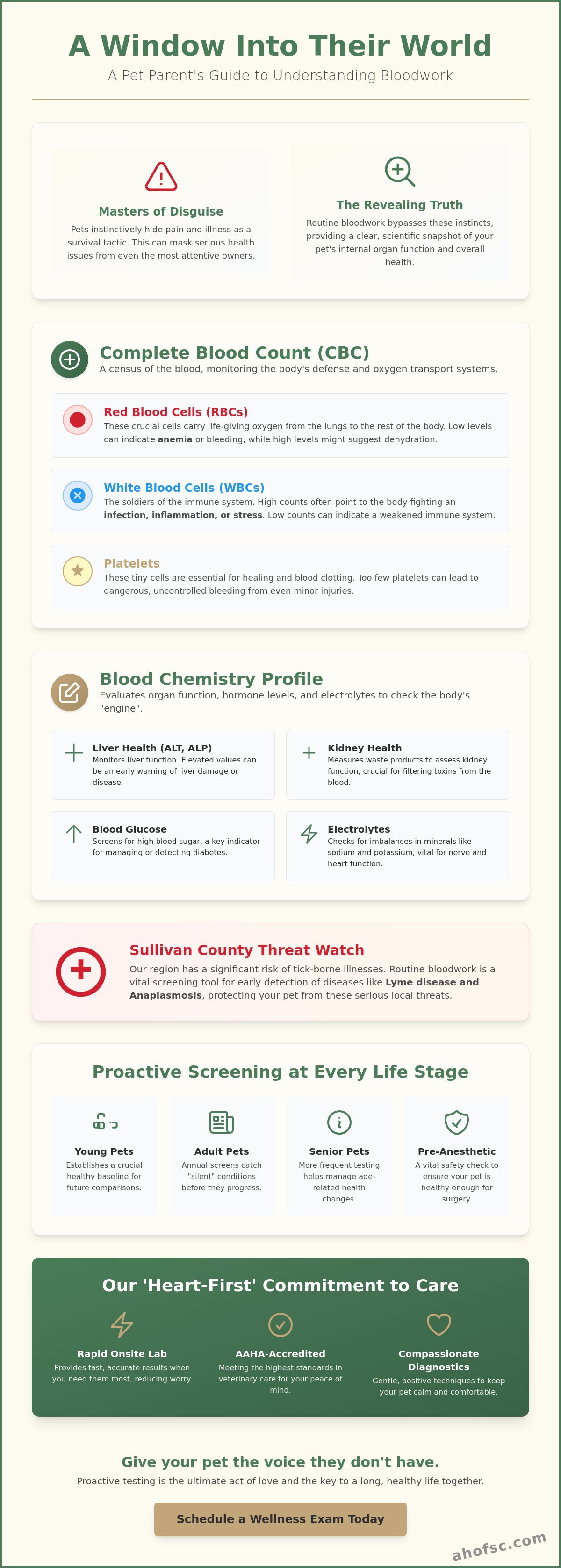
Think of pet bloodwork Sullivan County as a clear window into your companion’s internal world. It is a non-invasive snapshot that tells us how well the organs are functioning. Pets are masters of disguise. In the wild, animals hide their pain as a survival instinct to avoid appearing vulnerable. This biological drive to appear strong can make it difficult for even the most attentive pet parents to notice early signs of kidney trouble or liver issues. By choosing routine diagnostics, we bypass these instincts to find the truth before your pet feels unwell. It is a foundational pillar of preventive care right here in Ferndale, ensuring your pet gets the support they need at the right time!
Sometimes, owners feel disappointed when results come back "normal," but these results are incredibly valuable. A normal test provides a baseline for your pet’s unique internal chemistry. If they ever become ill in the future, we can compare new results to this healthy standard to see exactly what has changed. It's about building a long-term map of their health journey.
The "Heart-First" Approach to Diagnostics
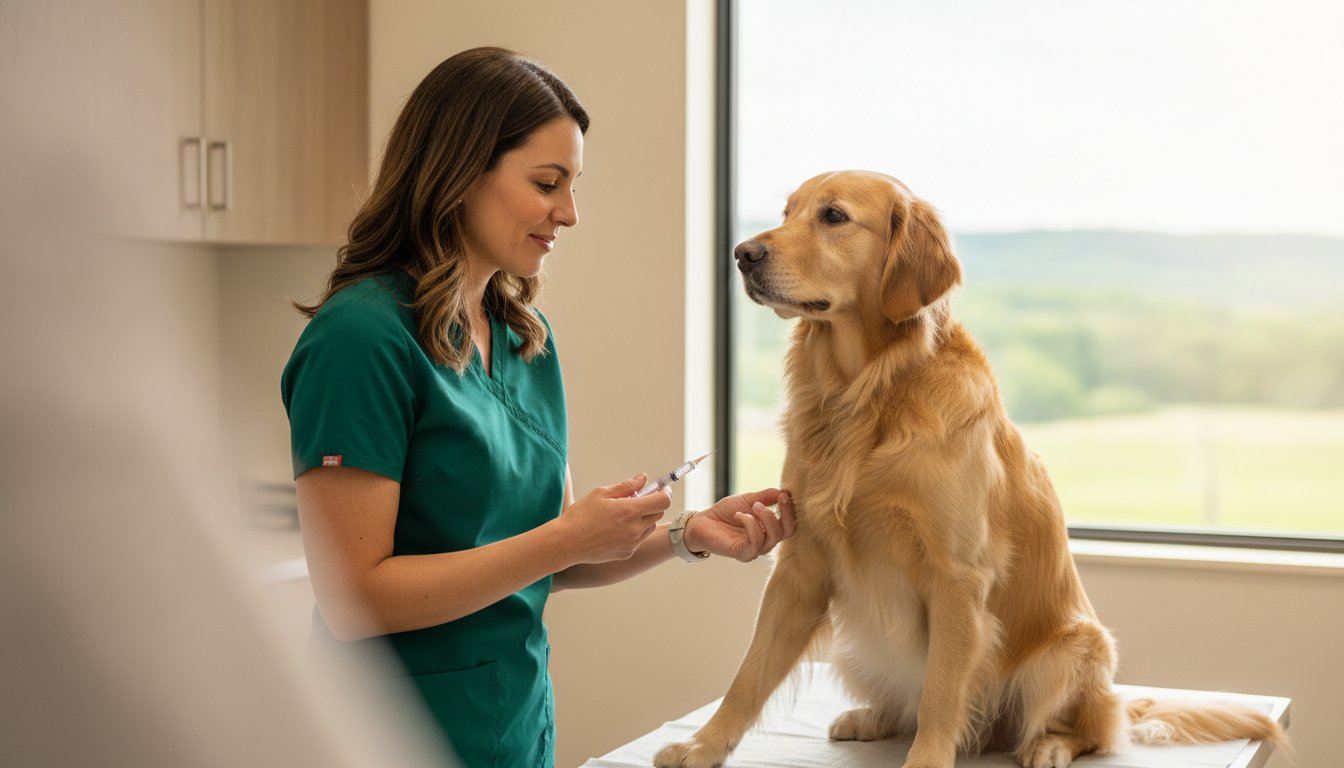
We know that seeing your pet undergo medical testing can cause a bit of anxiety. Our team approaches every blood draw with a heart-first mentality to keep the experience calm and positive. We use gentle techniques to collect samples, often using treats and plenty of praise to distract your furry friend. This neighborly empathy ensures that your pet feels like a cherished family member rather than just another patient. By providing concrete answers through medical expertise, we aim to replace your worry with the confidence that you are doing the very best for your pet’s quality of life.
Preventive vs. Diagnostic Testing
It helps to understand the two main reasons we recommend bloodwork. Preventive testing is performed during annual wellness visits for pets that appear healthy. These screens, including a Complete Blood Count (CBC), help us catch "silent" conditions early. On the other hand, diagnostic testing is used when a pet is already showing signs of illness, such as lethargy or a change in appetite. This helps us pinpoint the exact cause so we can start the right medical care immediately. Establishing baseline health is the gold standard for long-term pet wellness and provides the ultimate safety net for your companion.
Understanding the Results: A Guide to CBC and Chemistry Profiles
Opening a lab report can feel overwhelming. You see rows of numbers and abbreviations that seem confusing. We want you to know these technical terms are just helpful tools that allow us to provide the highest level of care. When we perform pet bloodwork Sullivan County, we are looking for specific clues about your pet's internal health. These results help us monitor everything from hydration levels to how well their food is being processed into energy. It’s all about ensuring your companion feels their best every single day. We believe that an informed pet parent is a confident one, and we're here to walk you through every detail.
The CBC: Monitoring the Body’s Defense System
The Complete Blood Count, or CBC, is like a census of the blood. It tells us about three main types of cells. First, there are Red Blood Cells. These carry life-giving oxygen to every part of the body. If these are low, your pet may have anemia. Second, we look at White Blood Cells. These are the brave soldiers of the immune system. A high count often points to an infection or inflammation that needs our attention. Finally, we check Platelets. These tiny cells are essential for healing and clotting. Without enough platelets, even a small scratch could become a problem. By Understanding Your Pet's Blood Test Results, you can see how this defense system is working to keep your family member safe.
Chemistry Profiles: Checking the "Engine" Organs
While the CBC looks at the cells, the Chemistry Profile looks at the chemicals and enzymes in the blood. This is how we check the "engine" organs like the liver and kidneys. If these numbers are outside the normal range, it gives us an early warning to adjust their diet or start supportive medical care. We also keep a close eye on Blood Glucose. Detecting high sugar levels early can help us manage diabetes before it becomes a crisis. Electrolytes like sodium and potassium are also checked. These are vital for heart rhythm and nerve health. If you have questions about these values, our team is always here to help you understand your pet's diagnostics in plain, simple language. Key values we monitor include:
- ALT and ALP: Indicators of liver health and enzyme activity.
- BUN and Creatinine: Vital markers for how well the kidneys filter waste.
- Glucose: Essential for spotting early signs of diabetes or blood sugar issues.
- Electrolytes: Minerals like potassium and sodium that support heart and nerve function.
By monitoring these levels, we can ensure your pet's nutrition is meeting their specific needs. It's a proactive way to catch small changes before they become big concerns. Whether your pet is a playful kitten or a wise senior, these profiles provide the clarity we need to protect their long-term happiness.
Sullivan County Risks: Screening for Lyme and Tick-Borne Illness
Living in the beautiful Catskills means enjoying lush trails and wooded backyards with our furry friends. However, these environments are also high-risk zones for ticks. For our local community, pet bloodwork Sullivan County is more than just a routine check; it's a critical defense against regional threats. We often see pets that appear perfectly healthy but are actually carrying silent infections. Catching these early through blood screening prevents the development of painful joint inflammation or life-threatening kidney issues later on. It is our way of giving your pet a voice before they ever show signs of distress.
The Silent Threat of Lyme and Anaplasmosis
Sullivan County is a known hot zone for tick-borne pathogens. Data from the Centers for Disease Control and Prevention indicates an estimated 6,490 true cases of Lyme disease have been reported in our county. The risk isn't just limited to Lyme. In the first half of 2021, our area saw a dramatic rise in anaplasmosis cases, with 32 reported in just six months. This matched the total number of cases from the entire year of 2019! We use a specialized screen, often called a "4DX" test, to look for specific protein markers that indicate exposure to these bacteria. Early detection is a gift. It allows us to provide simpler, more effective treatment before your pet feels any discomfort. For more advice on keeping your family safe outdoors, explore our guide on Ticks on Dogs in Sullivan County: Prevention Tips.
Heartworm Testing in the Tri-State Area
While ticks are a major concern, we can't forget about the mosquitoes that thrive in our wooded Tri-State area. These insects transmit heartworm, a serious condition that can damage the heart and lungs. You might wonder why we recommend annual pet bloodwork Sullivan County if your pet is already on monthly prevention. It's a safety measure we take because even the best preventatives can occasionally fail if a dose is late or not fully absorbed. Our goal is to ensure your pet's protection is absolute.
An annual negative screen provides wonderful peace of mind. It confirms that your pet's preventive plan is working perfectly. If a pet were to test positive, finding out early is essential for a safe recovery. We treat every test with the same sincerity and dedication we would for our own pets. Knowing your cherished companion is clear of these hidden risks allows you to enjoy every walk and cuddle with total confidence!
When Should Your Pet Have Bloodwork Done?
Timing is everything when it relates to your pet’s health. While it might be tempting to wait until your companion shows signs of being unwell, the true power of diagnostics lies in prevention. Integrating pet bloodwork Sullivan County into your pet’s life stages allows us to build a comprehensive health story. For puppies and kittens, an initial screen helps us establish their healthy baseline. For adult pets, annual testing acts as a protective shield, catching subtle changes before they become serious concerns. We want to ensure your pet feels vibrant and energetic throughout their entire life!
Routine screening is also essential if your pet is on long-term medications, such as those for thyroid issues, heart conditions, or arthritis. These medications are wonderful for quality of life, but we must monitor how the liver and kidneys process them over time. Scheduling pet bloodwork Sullivan County during a routine pet wellness exam in Sullivan County is the simplest way to stay ahead of these needs.
Senior Pets: The Golden Years Advantage
As our pets reach their golden years, typically around age seven, their medical needs begin to shift. We recommend more frequent internal checkups for senior pets, ideally every six months. This allows us to spot age-related changes in kidney function or thyroid activity much earlier than a physical exam alone might reveal. Aging is not a disease, and bloodwork helps us manage the natural changes of getting older with grace and comfort. By staying proactive, we can often adjust diets or lifestyle habits to keep your senior pet comfortable and happy for as long as possible.
Pre-Surgical Safety Screens
Safety is our top priority whenever a pet requires a procedure. Before any veterinary surgery in Sullivan County, we perform a pre-anesthetic blood screen. This is a non-negotiable safety standard because it tells us if the liver and kidneys are healthy enough to safely process and clear the anesthetic medications. Even if a pet appears perfectly healthy on the outside, their internal organs must be functioning at their best to ensure a smooth recovery. This extra step provides you with the peace of mind that your cherished family member is in the safest possible hands during their surgical care.
Whether your pet is a playful youngster or a wise old friend, regular diagnostics are a gift of longevity. If you have questions about which tests are right for your pet's current age or lifestyle, please request a preventive care appointment with our compassionate team today!
Compassionate Diagnostics at Animal Hospital of Sullivan County
Choosing where to bring your pet for medical care is a big decision. Since 1953, our hospital has been a steady, calming presence for families throughout the Catskills. We are proud to be the only AAHA-accredited animal hospital in Sullivan County, a distinction we have maintained since 1983. This accreditation isn't just a badge; it is a promise that we follow the highest safety and quality standards in the veterinary field. When we perform pet bloodwork Sullivan County, you can trust that our diagnostic accuracy is backed by rigorous protocols and state-of-the-art equipment. We balance this high-level medical authority with a neighborly empathy that makes every visit feel welcoming and safe.
Fast Answers with Our Onsite Lab
We know that waiting for medical results is often the most stressful part of a vet visit. That’s why we’ve invested in a comprehensive onsite laboratory. Having these tools right here in Ferndale allows us to provide rapid, same-day results for many essential tests. In emergency or urgent care situations, these fast answers save critical time. We don’t have to wait for a courier to pick up samples or for a distant lab to process them days later. Instead, we get the information we need while you are still in the building. This allows us to sit down with you immediately to create a tailored treatment plan that addresses your pet’s specific needs without delay. It is about replacing your anxiety with clear, actionable answers!
A Dedicated Partner in Your Pet’s Journey
Dr. B and our entire team are deeply committed to a "heart-first" philosophy. We believe the relationship between you and your animal is a sacred bond that deserves our full emotional sensitivity. To honor this, we use low-stress handling techniques during every blood draw. We move at a pace that feels methodical and comforting, never rushed or frantic. Our goal is to make the experience as soothing as possible for your cherished household member. We see ourselves as your partner in a long-term journey of care, focusing on the longevity and happiness of your pet.
We invite you to join our community of proactive and informed pet owners. By staying ahead of hidden health risks, we can ensure your pet enjoys the best possible quality of life. If you have concerns about your pet’s internal health or want to establish a baseline for their wellness, we are here to help. Please reach out to schedule a wellness visit or a diagnostic consultation. We look forward to providing the steady, expert guidance your family deserves. Let’s work together to keep your companion healthy and happy for many years to come!
Give Your Pet the Gift of a Healthy Future
Your pet’s health is a sacred bond that deserves the very best of both medical skill and emotional sensitivity. By choosing pet bloodwork Sullivan County, you are taking a proactive step to uncover hidden illnesses and protect your companion from local risks like Lyme disease. We believe that every tail wag and purr is worth protecting with the highest standards of care. Our team is dedicated to providing you with the peace of mind that comes from a deep understanding of your pet's internal well-being.
As the only AAHA-accredited hospital in the county since 1983, we combine our long-standing expertise with compassionate, low-stress handling techniques. Our onsite diagnostic laboratory ensures you get rapid answers during your visit; this allows us to start tailored care immediately. We are honored to be your partner in this journey, ensuring your cherished family member enjoys a long, happy life by your side! We invite you to Schedule Your Pet’s Wellness Exam and Bloodwork Today. Your pet's health is our priority, and we can't wait to welcome you into our family of care.
Frequently Asked Questions
How long does it take to get pet bloodwork results back?
Most results are available the same day because we utilize our advanced onsite laboratory. For routine wellness screens, we often have answers ready before you even leave your appointment! If we need to send specialized tests to an outside reference lab, it typically takes between 24 and 48 hours. This rapid turnaround is essential for starting any necessary medical care as quickly as possible.
Does my pet need to fast before a blood test?
Fasting for 8 to 12 hours is often recommended, but it depends on the specific tests your pet needs. For blood chemistry profiles, an empty stomach ensures that fats or sugars from a recent meal don't interfere with the accuracy of the values. Please continue to provide plenty of fresh water unless we tell you otherwise. We'll give you clear instructions when you schedule your pet bloodwork Sullivan County.
Is bloodwork painful for my dog or cat?
A blood draw feels like a very quick, tiny pinch, much like what you experience during your own routine medical visits. Our compassionate team uses small needles and gentle, low-stress handling techniques to keep your cherished pet calm and comfortable. Most dogs and cats are easily distracted with treats and praise, often barely noticing the procedure is happening. We always prioritize your pet's emotional well-being!
Why does the vet need to shave a small patch of fur for a blood draw?
We shave a small area to ensure the skin is perfectly clean and to help us see the vein clearly for a precise draw. This allows us to sanitize the site properly and makes the process much faster and more comfortable for your pet. The fur grows back quickly, and this small step is a vital part of maintaining our high safety and hygiene standards.
Can bloodwork detect cancer in pets?
While bloodwork isn't a definitive test for all types of cancer, it provides vital clues that may suggest the need for more testing. Certain cancers can cause unusual changes in white blood cell counts, organ function values, or calcium levels. If we see these "red flags" during pet bloodwork Sullivan County, we'll discuss the next steps to get a clear diagnosis. It's a key part of our early warning system.
How much blood is actually taken during the procedure?
We only collect a very small amount of blood, typically about one teaspoon or even less. This is a tiny fraction of your pet's total blood volume and is perfectly safe for pets of all sizes, including small kittens. Their bodies naturally replenish this small amount very quickly. We take only what is strictly necessary to ensure we have enough for accurate diagnostic testing.
What if my pet’s bloodwork comes back normal?
Normal results are wonderful news and provide an important "baseline" for your pet's unique internal health. Having these records on file is incredibly helpful if your pet ever becomes sick in the future. It allows us to compare new results against their healthy standard to see exactly what has shifted. A normal result gives you the ultimate peace of mind that your pet is thriving!
How often should a senior dog have bloodwork done?
We generally recommend that senior pets have bloodwork performed every six months. Because pets age much faster than we do, internal health changes can happen quite rapidly in their golden years. Checking organ function twice a year allows us to catch age-related issues like kidney disease or thyroid changes in their earliest stages. This proactive approach is the best way to ensure your senior friend stays comfortable.


